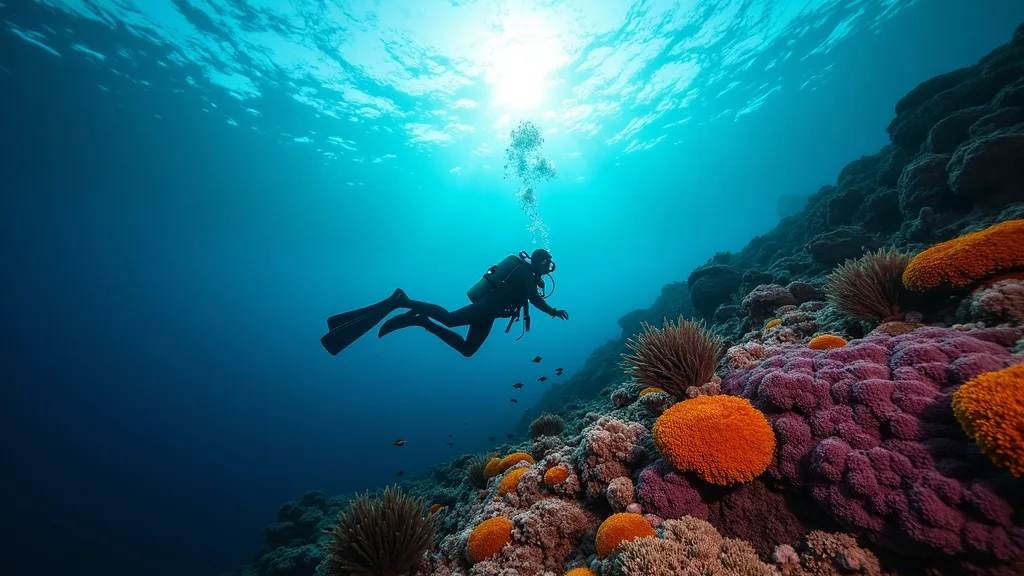
Achieving genuine environmental stewardship in Raja Ampat liveaboard operations means embracing verifiable targets and technical innovations. The industry is actively transitioning towards significant CO² reductions, plastic elimination, and the widespread adoption of renewable energy and advanced propulsion systems to safeguard marine ecosystems effectively.
The Imperative for Environmental Initiatives in Yachting
The pristine waters of Raja Ampat, a global epicentre of marine biodiversity, demand the highest standards of environmental responsibility from liveaboard operators. With increasing awareness of oceanic health, the yachting sector is under scrutiny to implement robust sustainability practices. This isn’t merely about compliance; it’s about preserving the very environments that attract visitors. The focus for operators is shifting from minimal impact to active contribution, ensuring that every voyage supports the long-term ecological integrity of the region.
Key areas of focus include energy consumption, waste management, and the protection of marine habitats. Operators are integrating technologies and operational protocols designed to minimise their ecological footprint, aligning with broader industry goals for sustainability. This includes rigorous adherence to international and local environmental regulations, often exceeding baseline requirements through proactive conservation efforts.
Reducing Carbon Footprint Through Advanced Propulsion
The transition to cleaner propulsion systems is central to reducing the carbon footprint of liveaboards. The International Marine Organisation has set an ambitious target of a 50% reduction in CO² emissions by 2050, with immediate acceleration phases. This global mandate directly impacts liveaboard design and operation, prompting investment in hybrid and fully electric systems.
Leading shipyards are already demonstrating this commitment. Feadship aims for 100% hybrid or fully electric power by 2025, a significant benchmark for the industry. Such advancements are not just theoretical; they are becoming practical realities for modern liveaboards. For Raja Ampat, this means vessels that operate with significantly lower, or even zero, direct emissions during crucial periods, particularly in sensitive reef areas.
The Wind Helix Yacht 2027 concept, for example, exemplifies future directions with its hybrid electric propulsion system integrating wind power, ensuring zero-pollution exhausts. This blend of traditional sail power with electric motors provides a robust and environmentally sound solution for cruising. Furthermore, these developments contribute to a quieter marine environment, as hybrid and solar systems are inherently noise-free, ensuring peaceful anchorages that do not disturb marine life.
Eliminating Plastic Pollution: A Direct Action Approach
Plastic pollution remains one of the most visible and damaging threats to marine ecosystems. With 8 million tonnes of plastic leaking into the ocean annually, yachting initiatives are directly addressing this by banning single-use plastic bottles and other items. This is a tangible step that every liveaboard can implement immediately and effectively.
The success of such initiatives is already evident. The Ocean Race’s 2023 stopover in Itajaí eliminated over 300,000 single-use plastics, demonstrating the significant impact of concerted effort. For liveaboard operations in Raja Ampat, this translates to strict policies on onboard plastic use, encouraging guests to use reusable water bottles and providing advanced water filtration systems.
- Banning single-use plastic bottles on board.
- Utilising advanced water filtration and desalination systems to provide potable water.
- Implementing rigorous waste segregation and recycling programmes.
- Sourcing provisions with minimal plastic packaging.
- Educating guests and crew on the impact of plastic pollution and responsible waste disposal.
Harnessing Renewable Energy for Onboard Operations
Beyond propulsion, integrating renewable energy sources for onboard electricity is crucial. Strategically placed high-efficiency solar panels maximise sunlight absorption for onboard electronics, lighting, and luxury amenities. This reduces reliance on diesel generators, further cutting emissions and noise pollution.
Shipyards are setting ambitious targets in this regard. By 2030, Dutch shipyard Oceanco targets 100% renewable energy for electricity and 100% waste-free/circular supply chains. Their Alblasserdam facility already generates
, covering nearly its entire electrical demand. This demonstrates that large-scale renewable energy integration is achievable and becoming standard practice.
For liveaboards, this means incorporating more robust solar arrays, potentially combined with small wind turbines where appropriate, to power refrigeration, lighting, communication systems, and water purification. An advanced desalination system, for instance, can be entirely powered by onboard renewable energy, converting seawater into clean drinkable water without external energy inputs.
Waste Management and Circular Supply Chains
Effective waste management extends beyond plastics to encompass all waste streams. This includes food waste, greywater, and blackwater. Modern liveaboards employ advanced treatment systems to ensure that no untreated waste is discharged into the ocean, particularly in sensitive areas like Raja Ampat.
The concept of circular supply chains, where waste is minimised and resources are reused, is gaining traction. This involves careful provisioning to reduce packaging, composting organic waste, and collaborating with local communities for responsible waste disposal where facilities exist. The goal is to move towards a waste-free operation, mirroring Oceanco’s 2030 target for 100% waste-free/circular supply chains.
| Environmental Initiative | Key Action | Target Impact |
|---|---|---|
| CO² Reduction | Hybrid/Electric Propulsion | 50% reduction by 2050 (IMO mandate) |
| Plastic Elimination | Single-use plastic bans | Zero plastic leakage into oceans |
| Renewable Energy | Solar Panels, Wind Power | 100% renewable energy for electricity |
| Water Management | Advanced Desalination | Self-sufficient, clean drinking water supply |
| Waste Management | Circular Supply Chains | 100% waste-free operations |
The Role of Education and Guest Engagement
Environmental initiatives are not solely about technology; they also involve a significant human element. Educating guests and crew about sustainable practices is paramount. This includes briefing on responsible diving and snorkelling, waste segregation protocols, and the importance of not disturbing marine life or coral reefs.
The Ocean Race’s 2027 and 2030 editions will focus heavily on sustainability, including education programmes in every city-station. This broader industry trend underscores the value of engagement and knowledge transfer. Liveaboard operators can contribute by providing informative sessions, promoting citizen science projects, and leading by example in their daily operations.
2027 note: While specific 2027 pricing and logistical data for these initiatives are still evolving, the industry’s commitment to the 2025-2030 roadmap indicates a strong trajectory towards widespread adoption. Operators in Raja Ampat are actively evaluating and integrating these technological and operational shifts, ensuring that future voyages align with these ambitious environmental benchmarks.
FAQ
What are the primary environmental challenges facing Raja Ampat liveaboards?
The main challenges involve reducing carbon emissions from propulsion and power generation, eliminating single-use plastics, managing all waste streams responsibly to prevent marine pollution, and ensuring operations do not disturb sensitive coral reefs and marine life habitats.
How are liveaboards implementing renewable energy?
Liveaboards are increasingly integrating high-efficiency solar panels to power onboard electronics, lighting, and water purification systems. Some concepts also incorporate wind power. This reduces reliance on diesel generators, cutting down on emissions and noise.
What specific actions are being taken to combat plastic pollution?
Liveaboards are implementing strict bans on single-use plastics, particularly bottles, by providing guests with reusable alternatives and supplying purified drinking water through advanced onboard desalination systems. Comprehensive waste segregation and recycling programmes are also standard practice.