The 6–7 night Dampier Strait route is the shortest genuine Raja Ampat liveaboard and the densest — roughly 18–21 dives across Cape Kri, Blue Magic, Sardine Reef, Manta Sandy and Arborek without a single long open-water crossing. It is the trip we recommend to almost every first-time visitor.
Looking at a one-week window? Talk to Komodo Luxury on WhatsApp at +62 811 3823 875 or email [email protected] and we will send the boats, dates and exact rates that match your window.
What does the Dampier Strait itinerary look like day by day?
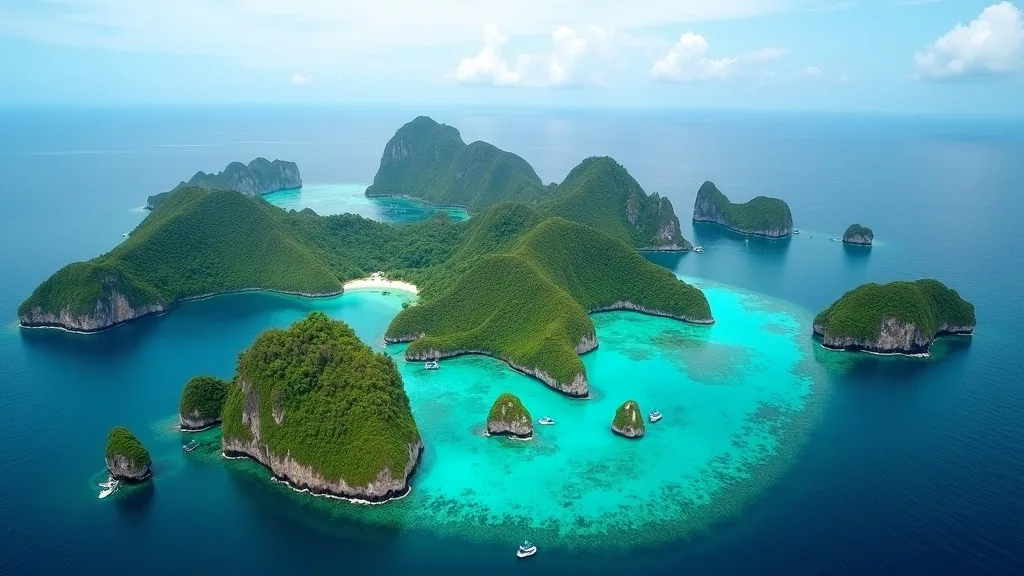
The Dampier Strait is the channel between Waigeo and Batanta, and it is the reason Raja Ampat has the reputation it has: nutrient-rich water funnels through a narrow gap, and the reefs on either side feed on it. Everything on this route is within a couple of hours’ sail of everything else, so the boat moves at night in sheltered water and you dive all day.
| Day | Area | Typical sites | Dives | Conditions |
|---|---|---|---|---|
| Day 1 | Embark Sorong | Transfer from hotel around 12:30, sail east, check dive | 1 | Gentle |
| Day 2 | Dampier Strait | Cape Kri, Chicken Reef (Kri), Sardine Reef | 3–4 | Moderate to strong |
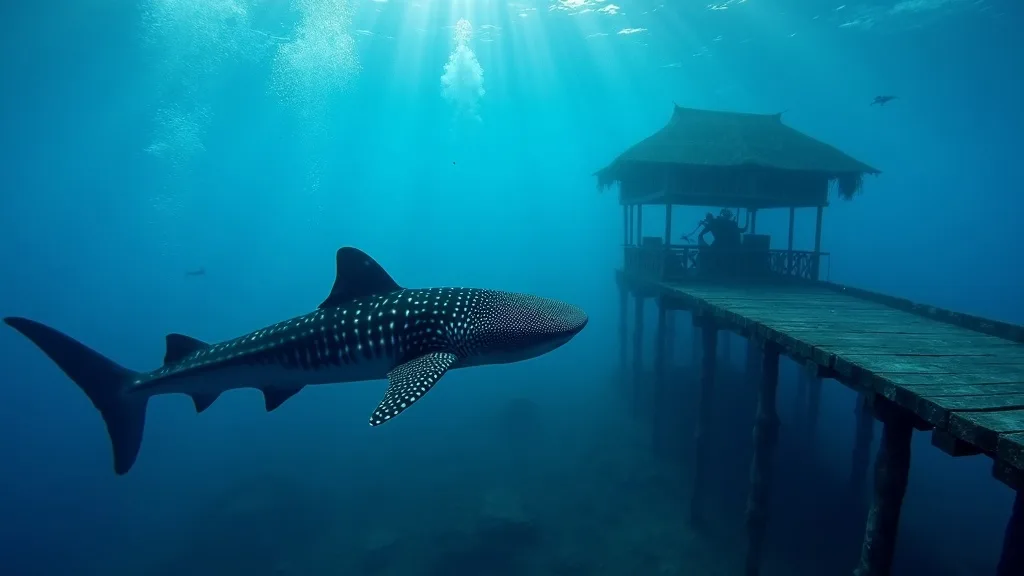
| Day 3 | Mansuar & Arborek | Manta Sandy, Arborek jetty, night dive | 3–4 | Mild, manta line applies |
| Day 4 | Blue Magic & Mioskon | Offshore seamount, wobbegongs, sunset flying foxes | 3–4 | Moderate to strong |
| Day 5 | Gam & Kabui Bay | Citrus Ridge, Friwen Wall, mangrove shallows | 3–4 | Gentle |
| Day 6 | Fam or Penemu | Melissa’s Garden, Penemu viewpoint, lagoon paddle | 3–4 | Mild to moderate |
| Day 7 | Return leg | One or two shallow morning dives, then no-fly day begins | 1–2 | Gentle |
| Day 8 | Disembark Sorong | In port around 06:00, guests ashore by 10:00 | 0 | — |
What is Cape Kri actually like to dive?
Cape Kri is a sloping ridge off the eastern tip of Kri Island where the strait’s current concentrates. On a running tide you drop negative, drift along the ridge and hook in where the fish stack up: fusiliers in the thousands, then snapper, then a wall of trevally working through them. A single dive here produced a record 374 fish species, counted by Dr Gerald Allen, and even on an average day the sheer biomass is unlike anywhere else on this route.
It is not a difficult dive if you are briefed properly, but it is a current dive. Negative entry, stay with your guide, hook in rather than fin against the flow, and send an SMB at the end. Our dive courses and nitrox page covers the skills worth having before you arrive.
How does Manta Sandy work?
Manta Sandy is a cleaning station in shallow sand where reef mantas queue over coral bommies to be worked over by cleaner wrasse. There is a marked line of rocks; divers kneel behind it and stay there. Crowding the bommie clears the station and the mantas leave, which is why every serious operator enforces the line and why guides will end a dive early if the group cannot hold position. Snorkellers get a genuinely good view of the same animals from the surface.
Indonesia declared its entire exclusive economic zone a manta sanctuary in February 2014, and Raja Ampat Regency declared a shark and ray sanctuary in 2013. The animals here are protected by law as well as by etiquette.
What does a 6–7 night Dampier Strait trip cost?
| Cabin standard | Per person, per night | 6 nights | 7 nights |
|---|---|---|---|
| Value / simpler vessel | USD 250–350 | USD 1,500–2,100 | USD 1,750–2,450 |
| Mid-range ensuite twin | USD 350–500 | USD 2,100–3,000 | USD 2,450–3,500 |
| Premium double / deluxe | USD 500–650 | USD 3,000–3,900 | USD 3,500–4,550 |
| Ultra-luxury / master cabin | USD 650–800+ | USD 3,900–4,800+ | USD 4,550–5,600+ |
Rates are indicative market bands for the 2026–2027 season, quoted per person in USD on a shared twin basis unless stated. They move with vessel, cabin, season and group size, and they change — ask us for the live rate on your dates before you plan a budget around them.
As a reference point from the wider market, a 7-day / 6-night central Raja Ampat trip in a twin ensuite cabin has been publicly listed at around USD 3,150 per person, and a 9-day / 8-night version at around USD 3,900. Those sit in the upper mid-range band. A fuller cost breakdown, including flights and fees, is on our inclusions and booking page.
Ask us what is actually available on your week. Talk to Komodo Luxury on WhatsApp at +62 811 3823 875 or email [email protected] and we will send the boats, dates and exact rates that match your window.
Which Raja Ampat fees are not included in the trip price?
Two separate government charges apply in Raja Ampat, and most websites merge them into one wrong number. They are collected by different bodies, cost different amounts and have different validity. Budget for both.
| Charge | Who collects it | Foreign visitor | Indonesian visitor | Validity |
|---|---|---|---|---|
| Marine park conservation card (the “PIN card”) | Raja Ampat Marine Park Authority, under West Papua Governor’s Regulation No. 4 of 2019 | IDR 700,000 | IDR 425,000 | 12 months from purchase; children under 12 exempt |
| Visitor entry ticket | Raja Ampat Regency, paid through the SIPARI platform | IDR 1,000,000 | IDR 300,000 | Per visit, in force since 1 January 2026 |
Neither charge is normally inside a liveaboard fare. Your crew will usually arrange the conservation card on your behalf at the start of the trip and add it to your onboard bill. Fees are set by government and can be revised — confirm the current amounts with us before you travel.
What is included in the fare, and what is not?
| Normally included | Normally extra |
|---|---|
| Cabin accommodation for the full charter | Marine park conservation card (IDR 700,000 foreign) |
| All meals, snacks, soft drinks, tea and coffee | Regency visitor entry ticket (IDR 1,000,000 foreign) |
| Guided dives as per the itinerary, tanks and weights | Nitrox fills and dive courses |
| Dive guides, cruise director and full crew | Equipment rental if you do not bring your own |
| Tenders, kayaks and snorkelling gear | Alcohol and premium drinks |
| Group transfers on embarkation and disembarkation day | Flights, pre- and post-trip hotels, dive insurance, crew tips |
Inclusions vary slightly between vessels. We send you the exact line-by-line list for the boat you are considering before you pay anything.
What makes a Raja Ampat liveaboard genuinely low-impact?
“Eco” on a boat is a set of habits, not a wooden hull. A traditional phinisi is built by hand from dense tropical hardwood at Tana Beru and Bira in South Sulawesi — a craft inscribed on the UNESCO Intangible Cultural Heritage list in 2017 — and its genuine advantage is a long hull life that can be repaired locally. That is a real argument. It is not, on its own, a sustainability claim.
The practices that actually change a boat’s footprint are these: a reverse-osmosis watermaker instead of crates of bottled water, solar and battery capacity that cuts generator hours at anchor, no single-use plastic aboard, a reef-safe sunscreen briefing on day one, mooring buoys or sand-anchoring only — anchoring on coral is prohibited inside the marine protected area — sorted waste carried back to shore rather than burnt or dumped, holding tanks that are never discharged near a reef, and a Papuan and Indonesian crew paid properly. Ask any operator, including us, to answer those eight points specifically. Vague language is the tell.
Who should book this route — and who should not?
Book it if this is your first Raja Ampat trip; if you have around 20–30 logged dives and want big-fish diving without long crossings; if you are travelling with a non-diving partner; or if your holiday is one week rather than two. It is also the best route for anyone who is unsure about seasickness, because the boat rarely leaves sheltered water.
Look elsewhere if you specifically want Wayag’s karst lagoons or Misool’s soft coral, both of which need more nights — see the north and Wayag route — or if you are a returning visitor who has already done the strait twice.
Frequently asked questions
How long is the Dampier Strait liveaboard route?
Six or seven nights is the standard, and seven is the market norm. It is the shortest itinerary that still gives you real Raja Ampat diving rather than a long transfer with a few dives attached.
How many dives will I do in seven nights?
Roughly 18-21, usually three day dives plus an optional night dive on several evenings. The final day has no diving at all, to respect the 18-hour no-fly interval before your flight home.
Is the Dampier Strait suitable for newer divers?
Yes, with honest route planning. Many sites are gentle reef slopes, and a check dive on day one sets weighting and buoyancy. Cape Kri, Sardine Reef and Blue Magic can run current, so around 20-30 logged dives and a willingness to use a reef hook make the week much more enjoyable.
Will I see manta rays?
Reef mantas are seen regularly at Manta Sandy and oceanic mantas turn up at Blue Magic, but nothing about wild animals is guaranteed. Boats usually plan more than one attempt at the cleaning stations across the week rather than a single roll of the dice.
Is Cape Kri really the most fish-rich dive in the world?
A single dive at Cape Kri produced a record 374 fish species, counted by the ichthyologist Dr Gerald Allen, and it remains the highest single-dive count on record. What you experience on any given day depends on current and timing, but the biomass is genuinely extraordinary.
How do I get to the boat?
Fly to Sorong (airport code SOQ, often written DEO). Jakarta-Sorong is roughly 4-4.5 hours and Makassar-Sorong roughly 2-2.5 hours, currently served by Garuda Indonesia and the Lion Air group; schedules change, so check before booking. Sorong-based boats normally collect guests from city hotels around 12:30.
Do I need to fly in a day early?
Yes, and we insist on it. Flights into Sorong connect through Jakarta or Makassar and a single delay can cost you the boat. One night in Sorong before embarkation is the cheapest insurance you will buy on this trip.
Can non-divers join this route?
It is the best Raja Ampat itinerary for them. Arborek jetty, Friwen Wall and the surface view at Manta Sandy are all excellent snorkelling, crossings are short, and there is a village visit and a viewpoint or two along the way.
How do you book this trip?
Seven-night central departures are the most requested trips we handle, and the October–December weeks fill first. Send us your travel window, your certification level and how many people are in your party on WhatsApp +62 811 3823 875 or by email at [email protected]. We reply with the vessels available for those dates, the cabin-by-cabin rate, the deposit terms and a plain list of what is not in the price. There is no obligation and no deposit until you have seen the boat and the itinerary in writing.
This site is operated by Komodo Luxury, part of Juara Holding Group, running dive and cruise trips in eastern Indonesia since 2015.