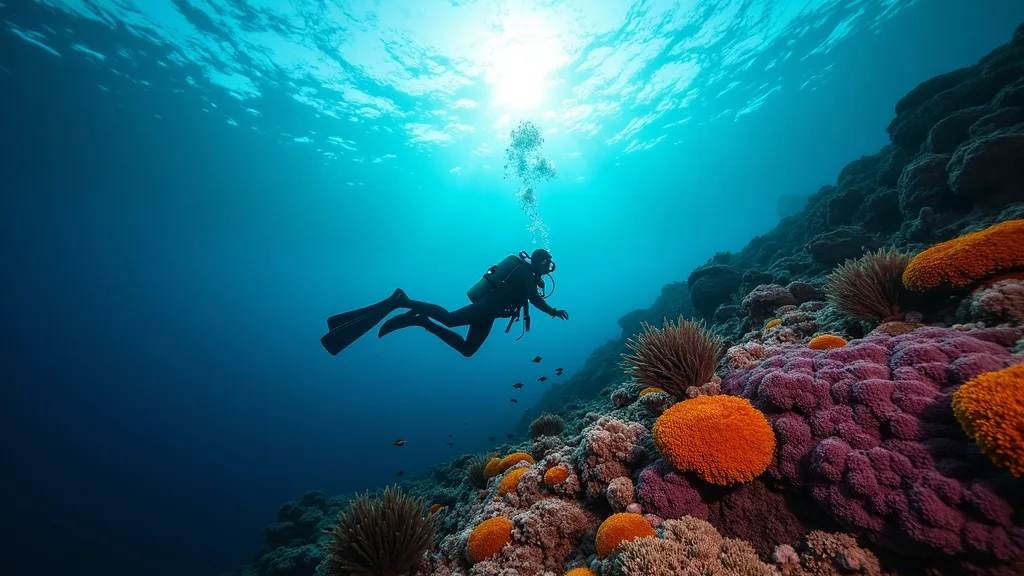
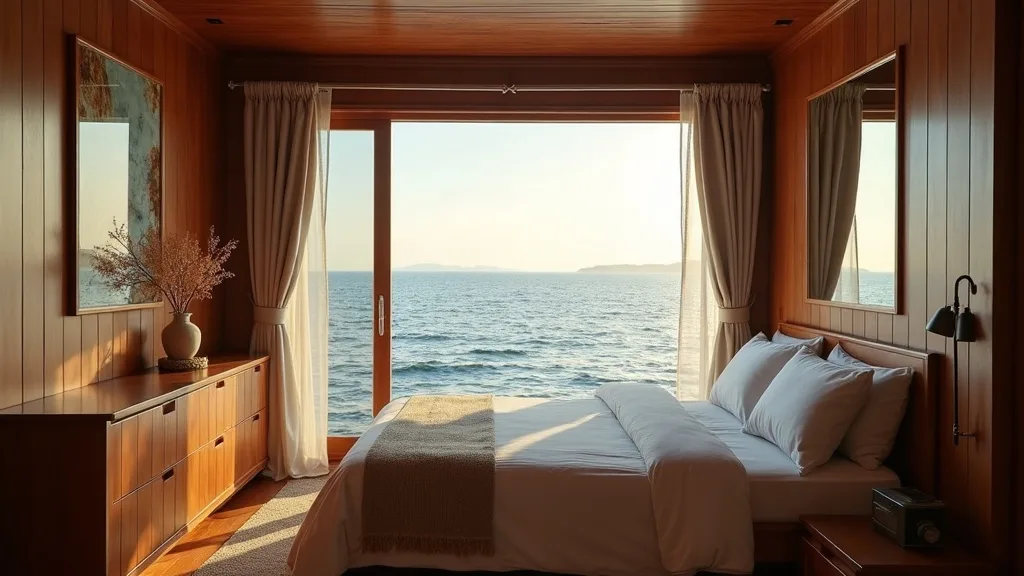
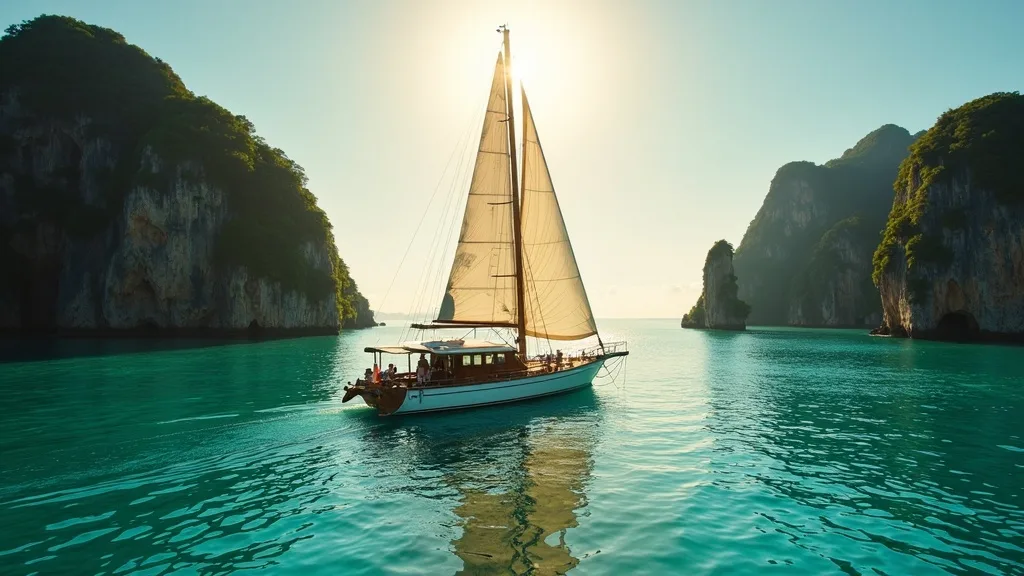
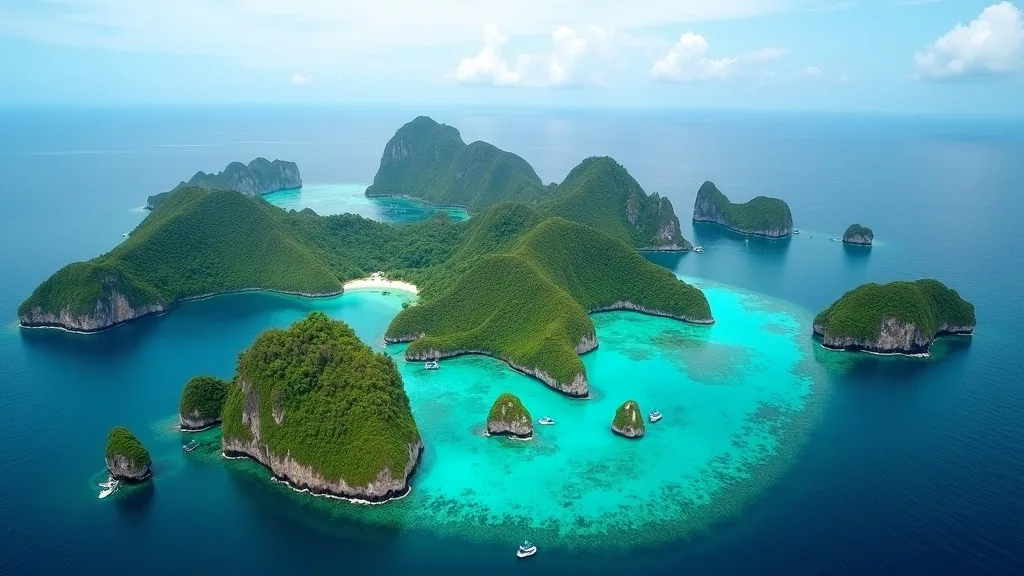
Triton Bay sits south of Raja Ampat off Kaimana and is reached only by liveaboard: black soft coral forests, green nutrient-rich water, and whale sharks that gather around fishing platforms. It is normally sold as an 11–14 night expedition combined with Raja Ampat.
Interested in the Kaimana whale shark window? Talk to Komodo Luxury on WhatsApp at +62 811 3823 875 or email [email protected] and we will send the boats, dates and exact rates that match your window.
Why does Triton Bay need a boat?
There is no meaningful dive infrastructure there. Kaimana is a small town with limited flights, the dive sites are scattered across bays and islands with no road access, and the whale shark bagans move. A liveaboard carries its own compressor, tenders, guides and fuel, which is the only way to work an area like this. It also means the number of divers in the water at any one time stays small, which is part of why the reefs are in the state they are.
| Nights | Leg | Typical sites and activities | Dives (range) |
|---|---|---|---|
| Nights 1–4 | Raja Ampat — Dampier Strait or Misool | Cape Kri, Blue Magic, or Misool pinnacles | 10–14 |
| Night 5 | Southern passage towards Kaimana | Sailing; one dive if timing allows | 0–1 |
| Nights 6–10 | Triton Bay and Kaimana bays | Soft coral walls, black sand, bagan whale sharks | 12–18 |
| Nights 11–12 | Return passage north | One or two dives en route | 1–3 |
| Nights 13–14 | Raja Ampat return leg and no-fly day | Final reef dives, then no diving | 2–4 |
How is the diving different from Raja Ampat?
Raja Ampat is clear, blue and fish-heavy. Triton Bay is green, dense and textural. The same nutrient load that drops visibility is what grows the soft coral into curtains and what keeps the whale sharks fed, so the trade is explicit and worth making with your eyes open.
| Raja Ampat | Triton Bay | |
|---|---|---|
| Water colour | Blue, often clear | Green, plankton-rich |
| Typical visibility | 10–30 m | Often 5–15 m |
| Dominant subject | Fish schools, mantas, hard coral | Soft coral, macro critters, whale sharks |
| Best lens | Wide-angle | Close-focus wide and macro |
| Current | Frequently strong on channel sites | Generally milder, site dependent |
| Diver traffic | Moderate on famous sites | Very low |
How do the whale shark encounters work?
Local fishermen work from bagans — platforms with lift nets, lit at night to attract baitfish. Whale sharks learned long ago that the nets are an easy meal and come to feed on the small fish spilling from them. The interaction happens at the bagan, in the fishermen’s workplace, with their agreement.
The conduct rules are simple and non-negotiable: stay at a distance, never touch, never block the animal’s path or hang above its head, no flash close to the face, small numbers in the water at a time, and follow the guide’s signal to exit. Sightings are frequent in season and never guaranteed — anyone promising otherwise is selling you something they cannot deliver. Our marine biodiversity guide covers the wider wildlife picture across the region.
When does the route run?
Broadly the same October–April window as Raja Ampat, with only a handful of departures per season including Triton Bay because the combination needs almost two weeks of vessel time. The southern approach is more exposed than central Raja Ampat but considerably less so than the Banda Sea crossing, which makes this the middle option for travellers who want remoteness without a full ocean passage.
What does a Triton Bay expedition cost?
| Cabin standard | Per person, per night | 11 nights | 12 nights | 14 nights |
|---|---|---|---|---|
| Value / simpler vessel | USD 250–350 | USD 2,750–3,850 | USD 3,000–4,200 | USD 3,500–4,900 |
| Mid-range ensuite twin | USD 350–500 | USD 3,850–5,500 | USD 4,200–6,000 | USD 4,900–7,000 |
| Premium double / deluxe | USD 500–650 | USD 5,500–7,150 | USD 6,000–7,800 | USD 7,000–9,100 |
| Ultra-luxury / master cabin | USD 650–800+ | USD 7,150–8,800+ | USD 7,800–9,600+ | USD 9,100–11,200+ |
Rates are indicative market bands for the 2026–2027 season, quoted per person in USD on a shared twin basis unless stated. They move with vessel, cabin, season and group size, and they change — ask us for the live rate on your dates before you plan a budget around them.
Ask which vessels are running Triton Bay this season. Talk to Komodo Luxury on WhatsApp at +62 811 3823 875 or email [email protected] and we will send the boats, dates and exact rates that match your window.
Which Raja Ampat fees are not included in the trip price?
Two separate government charges apply in Raja Ampat, and most websites merge them into one wrong number. They are collected by different bodies, cost different amounts and have different validity. Budget for both.
| Charge | Who collects it | Foreign visitor | Indonesian visitor | Validity |
|---|---|---|---|---|
| Marine park conservation card (the “PIN card”) | Raja Ampat Marine Park Authority, under West Papua Governor’s Regulation No. 4 of 2019 | IDR 700,000 | IDR 425,000 | 12 months from purchase; children under 12 exempt |
| Visitor entry ticket | Raja Ampat Regency, paid through the SIPARI platform | IDR 1,000,000 | IDR 300,000 | Per visit, in force since 1 January 2026 |
Neither charge is normally inside a liveaboard fare. Your crew will usually arrange the conservation card on your behalf at the start of the trip and add it to your onboard bill. Fees are set by government and can be revised — confirm the current amounts with us before you travel.
What is included in the fare, and what is not?
| Normally included | Normally extra |
|---|---|
| Cabin accommodation for the full charter | Marine park conservation card (IDR 700,000 foreign) |
| All meals, snacks, soft drinks, tea and coffee | Regency visitor entry ticket (IDR 1,000,000 foreign) |
| Guided dives as per the itinerary, tanks and weights | Nitrox fills and dive courses |
| Dive guides, cruise director and full crew | Equipment rental if you do not bring your own |
| Tenders, kayaks and snorkelling gear | Alcohol and premium drinks |
| Group transfers on embarkation and disembarkation day | Flights, pre- and post-trip hotels, dive insurance, crew tips |
Inclusions vary slightly between vessels. We send you the exact line-by-line list for the boat you are considering before you pay anything.
What makes a Raja Ampat liveaboard genuinely low-impact?
“Eco” on a boat is a set of habits, not a wooden hull. A traditional phinisi is built by hand from dense tropical hardwood at Tana Beru and Bira in South Sulawesi — a craft inscribed on the UNESCO Intangible Cultural Heritage list in 2017 — and its genuine advantage is a long hull life that can be repaired locally. That is a real argument. It is not, on its own, a sustainability claim.
The practices that actually change a boat’s footprint are these: a reverse-osmosis watermaker instead of crates of bottled water, solar and battery capacity that cuts generator hours at anchor, no single-use plastic aboard, a reef-safe sunscreen briefing on day one, mooring buoys or sand-anchoring only — anchoring on coral is prohibited inside the marine protected area — sorted waste carried back to shore rather than burnt or dumped, holding tanks that are never discharged near a reef, and a Papuan and Indonesian crew paid properly. Ask any operator, including us, to answer those eight points specifically. Vague language is the tell.
Who should book it?
It suits divers who value rarity over visibility, macro and soft-coral photographers, and anyone who has done Raja Ampat and wants the next thing along the coast. Photographers should pair it with the advice on our underwater photography page, because lens choice here is a real decision rather than a habit.
It suits less well first-time visitors to Indonesia — do the central Raja Ampat route first — divers who need clear blue water to enjoy a dive, and anyone whose whole trip depends on seeing one particular animal.
Frequently asked questions
Where is Triton Bay?
On the south-west coast of West Papua, near the town of Kaimana, roughly 200 nautical miles south-east of Raja Ampat. There is no dive resort infrastructure of any scale, so liveaboard is effectively the only way to dive it.
How long is a Raja Ampat and Triton Bay combination trip?
Usually 11-14 nights. The passage between the two regions costs the better part of a day and night in each direction, so shorter combinations end up being mostly sailing.
Why is the visibility so low in Triton Bay?
Because the water is exceptionally nutrient-rich. Runoff and upwelling feed enormous soft coral growth and support the whale sharks. Expect green water and visibility that is often well below Raja Ampat’s, and understand that the two facts are connected.
Are whale shark sightings guaranteed?
No, and treat any operator who says otherwise with suspicion. Whale sharks gather around fishing platforms called bagans where they feed on baitfish, and sightings in season are frequent but never certain. Numbers vary with the fishing and the season.
What are the rules around whale sharks?
Keep a distance, do not touch, do not block the animal’s path, no flash close to the head, and no more than a handful of people in the water at once. The interaction happens with the bagan crew’s cooperation and at their working platform – the crew brief you before anyone enters.
What kind of diving is it?
Soft coral forests on walls and pinnacles, black sand slopes, and macro subjects in numbers. It is closer to a critter trip than a big-fish trip, with the whale sharks as the exception.
When does this route run?
Broadly the same October-April window as Raja Ampat, with the whale shark aggregation strongest in the middle of it. Only a few departures per season include Triton Bay, because it needs a long charter.
Do I need extra permits?
The Raja Ampat marine park card and the regency visitor entry ticket cover the Raja Ampat leg. Kaimana-area arrangements are made by the vessel and normally added to your onboard account; we confirm the current amounts before you travel.
How do you book this trip?
Only a few Triton Bay departures exist across the fleet in any season. Send us your travel window, your certification level and how many people are in your party on WhatsApp +62 811 3823 875 or by email at [email protected]. We reply with the vessels available for those dates, the cabin-by-cabin rate, the deposit terms and a plain list of what is not in the price. There is no obligation and no deposit until you have seen the boat and the itinerary in writing.
This site is operated by Komodo Luxury, part of Juara Holding Group, running dive and cruise trips in eastern Indonesia since 2015.