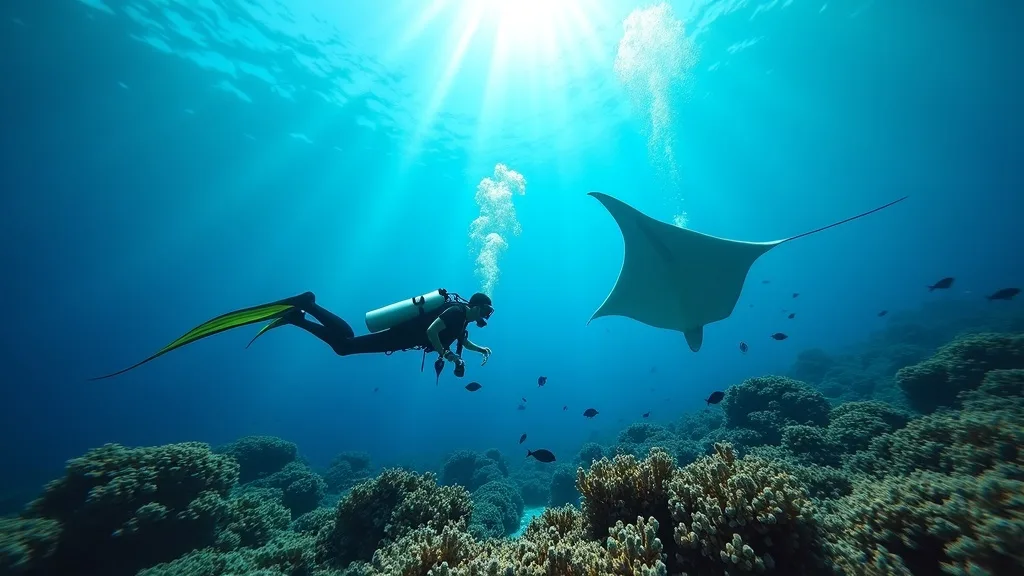
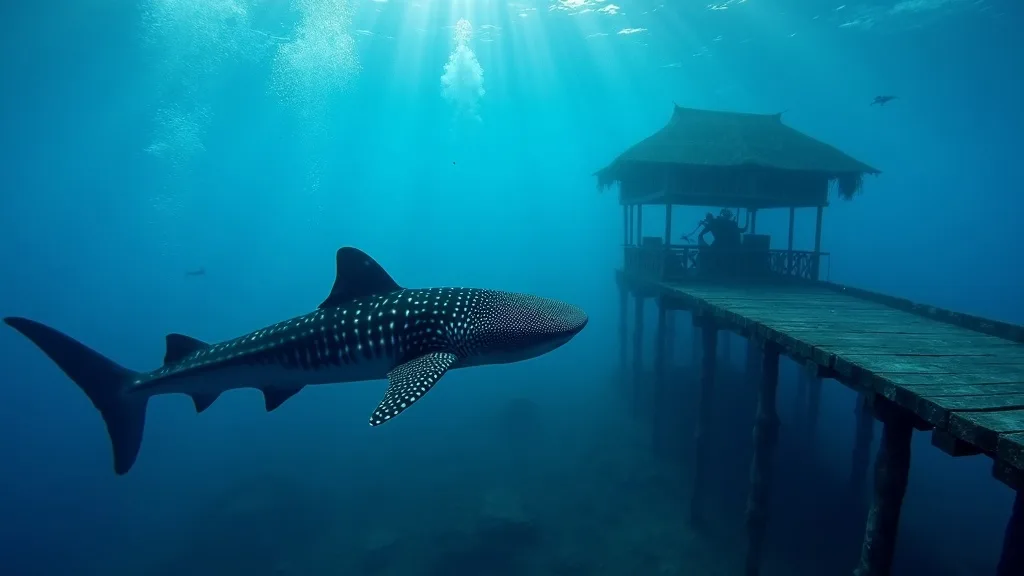
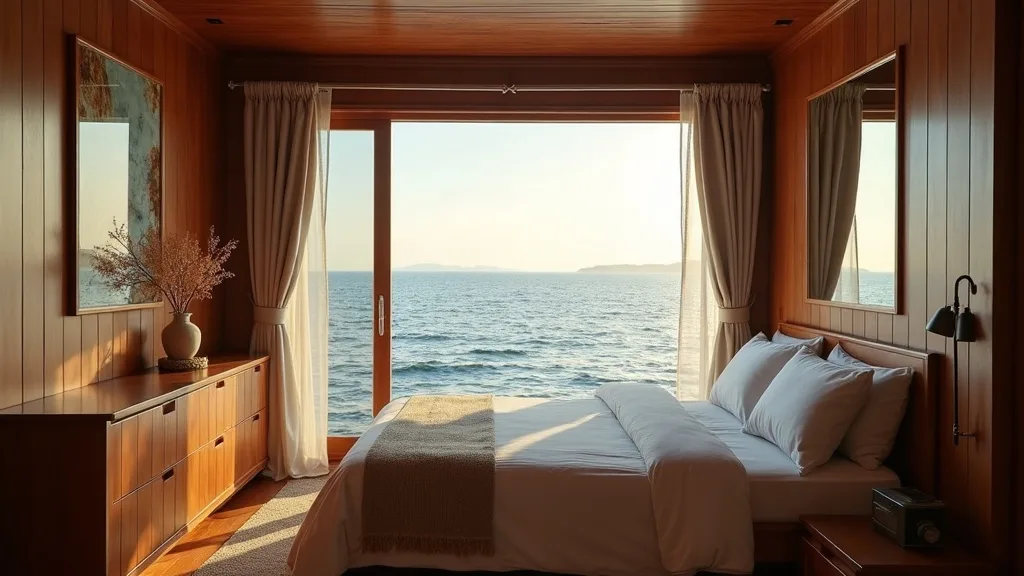
Most Raja Ampat days are calm, because the boat is inside sheltered island groups. The exceptions are the overnight repositioning legs — the Dampier Strait to Misool run, and the passage north to Wayag. If you are prone to seasickness, choose a central route and a lower-deck midship cabin.
Which legs are actually exposed?
Raja Ampat is an archipelago of roughly 1,500 islands, cays and shoals, and for most of a trip you are moving between them, not across open ocean. Site-to-site hops in the Dampier Strait take twenty minutes to an hour in protected water. What changes the picture is the long repositioning legs, which every multi-region itinerary contains and which are almost always scheduled overnight.
| Route | Nights | Exposed legs | Rough-water hours (typical) | Suits a queasy traveller? |
|---|---|---|---|---|
| Central / Dampier Strait | 6–7 | None significant | Under 2 | Yes — the standard recommendation |
| South Misool + Central | 8–9 | Dampier → Misool and back | 8–14 overnight | With preparation |
| North Wayag + Central | 9–11 | Waigeo north coast to Wayag / Kawe | 8–12 overnight | With preparation |
| Grand north-to-south | 12–14 | Both of the above | 16–24 across the trip | Only if you medicate reliably |
| Banda Sea crossing | 11–14 | True open-ocean passages | Longest of any itinerary | Not the first choice |
Seasonality compounds this. Northern Raja Ampat is noticeably more exposed outside the October to April window, and southern Misool takes the southeast trades most strongly around July to September — a large part of why Raja Ampat liveaboard season runs when it does. Within the season, conditions are usually benign; the crossings are still crossings.
Does the cabin you pick really matter?
More than almost anything else you can control. A vessel pitches around a point near midships and rolls around its centreline, so motion increases with distance from that centre. The practical ranking:
| Cabin position | Motion felt | Trade-off |
|---|---|---|
| Lower deck, midships | Least | Usually the smallest cabins, sometimes portholes rather than windows |
| Lower deck, forward | Moderate pitch, some slamming underway | Quiet at anchor |
| Main deck, midships | Moderate | Good compromise: space plus stability |
| Upper deck, aft | Most roll and pitch | Often the largest cabins with the best views and ventilation |
| Upper deck, forward | Most pitch underway | Bright and airy at anchor |
The uncomfortable truth is that the premium cabin is usually the one that moves the most. If you know you are susceptible, book the master suite for the view and you will regret it on the Misool crossing. If you are chartering the whole vessel, that becomes a family decision rather than a booking-form one — see the private liveaboard charter page for how cabin allocation works on a full-boat hire.
What actually helps?
- Medicate ahead of the motion, not after it. Oral preparations generally need an hour or two; patches need longer. Talk to your doctor before the trip about which option suits you and how it interacts with diving.
- Stay on deck for the crossing if you can. A fixed horizon resolves the sensory conflict that causes the nausea in the first place.
- Eat lightly rather than not at all. An empty stomach makes it worse, not better. Plain carbohydrate, small portions.
- Ginger, in whatever form you will actually take. Modest evidence, no downside, and every Indonesian boat has it in the galley.
- Lie down midships and close your eyes if the deck is not an option. Horizontal reduces the input; screens do the opposite.
- Drink water constantly. Dehydration amplifies nausea and it is a genuine decompression risk factor on a diving trip.
What makes it worse?
Reading or scrolling in a cabin, alcohol the night before a crossing, heavy or oily meals, diesel fumes near the aft deck, and above all the decision to go and lie down in a dark cabin at the first sign of queasiness — which removes the horizon and usually accelerates things. The camera-editing session in a windowless saloon on a moving boat is a classic self-inflicted wound; the practicalities of doing that better are in power, Wi-Fi and camera care onboard.
Can you skip a dive, and how do crews handle weather?
Yes, and you should when you need to. On a normal Raja Ampat day you get three day dives plus an optional night dive; missing one costs you very little across a week, and the realistic totals are set out in how many dives a day you actually get. Nobody on a well-run boat will pressure you into the water.
Crews reroute constantly. If the wind has come up on an exposed pinnacle, the correct response is a sheltered site, and the itinerary you were sent is indicative rather than contractual for exactly this reason. That flexibility is a feature. An operator that insists on running the published site list regardless of conditions is telling you something about its priorities.
Who should think harder about this?
Families with young children, anyone who has been unwell on a ferry or a small boat before, and travellers who are already managing a health condition where dehydration or sedation is a complication. For families, the central route plus a lower-deck cabin is the combination that works — the reasoning is in the family liveaboard charter guide. Older or less athletic travellers have a related but different set of considerations, covered in is a Raja Ampat liveaboard right for older travellers.
And a note on honesty: if a website tells you Raja Ampat is always calm, it is selling. Most of it is. The crossings are not, and knowing which is which lets you choose a route that fits you rather than enduring one that does not. A broader picture of what a week aboard actually feels like is in our guide to diving from an eco liveaboard in Raja Ampat.
Want the calmest route that still covers the sites you care about? Message Komodo Luxury on WhatsApp at +62 811 3823 875 or email [email protected] with your travel window, certification level and party size. We reply with the vessels available on those dates, the cabin-by-cabin rate and a plain list of what is not in the price.
Frequently asked questions
Is Raja Ampat rough?
Most of the time, no. The boat spends the majority of a trip inside sheltered island groups where the water is flat. The exceptions are the overnight repositioning legs – the run south to Misool and the run north to Wayag – which cross open water and are usually done while you sleep, precisely so that you feel less of it.
Which Raja Ampat route is calmest?
A six or seven-night central itinerary around the Dampier Strait. It stays inside the channel between Waigeo and Batanta, the moves between sites are short, and there is no long open-water crossing. It is the standard recommendation for anyone who knows they are prone to motion sickness.
Which cabin should I book if I get seasick?
Lower deck, midships. That is the point on the vessel with the least pitch and the least roll, because it sits closest to the centre of rotation. Upper-deck and aft cabins are usually more spacious and better ventilated, and they move considerably more. If seasickness is a real concern, take the smaller cabin.
When should I take seasickness medication?
Before you need it. Most oral preparations work far better taken an hour or two ahead of the motion than after nausea starts, and scopolamine patches need several hours to reach effect. Discuss with a doctor before the trip, particularly regarding drowsiness, because sedating antihistamines and repetitive diving are a poor combination.
Can I dive if I have been seasick?
Only if you are properly rehydrated and not sedated. Vomiting causes fluid loss, and dehydration is a recognised contributor to decompression risk. Tell the cruise director rather than quietly toughing it out – a good crew would far rather you miss one dive and rejoin the next than push through and become a problem at depth.
This guide is published by the team behind this Raja Ampat eco liveaboard site — Komodo Luxury, part of Juara Holding Group, running dive and cruise operations in eastern Indonesia since 2015. Questions on a specific date or vessel: WhatsApp +62 811 3823 875, email [email protected].