Yes — Raja Ampat is one of the few dive destinations where snorkellers get a genuinely world-class experience, because much of the best coral sits in three to eight metres of water. Manta Sandy, Arborek jetty and Melissa’s Garden all work from the surface.
Why does Raja Ampat suit snorkellers better than most dive regions?
Because of where the coral is. In much of the diving world the good reef starts at fifteen metres and a snorkeller sees a blue haze. In Raja Ampat, extraordinary hard coral cover runs right up into the shallows, and the fish density comes with it. The region holds more than 570 hard coral species — roughly three quarters of all known coral species — and over 1,700 species of reef fish. A large share of that is visible in the top eight metres.
The practical consequence is that a mixed party works here. The diver and the non-diver come back to the boat having seen the same site, which is not the usual liveaboard experience.
Which sites work from the surface?
| Site | Region | Typical depth of interest | Current | Snorkel-friendly? |
|---|---|---|---|---|
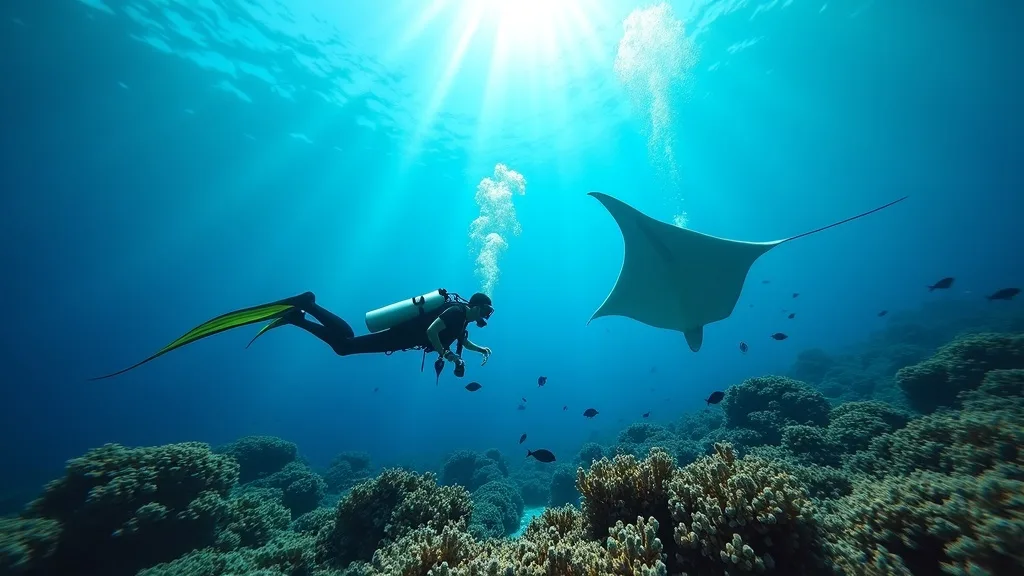
| Manta Sandy | Dampier Strait | 12–18 m, animals rise higher | Mild to moderate | Yes — the mantas are visible from above |
| Arborek jetty | Dampier Strait | 3–12 m | Usually mild | Excellent |
| Melissa’s Garden | Fam / Penemu | 3–15 m | Usually mild | Excellent |
| Misool lagoon shallows | Misool | 2–8 m | Minimal | Excellent |
| Wayag lagoon and sandbars | Far north | 1–6 m | Minimal | Excellent; blacktip juveniles in the shallows |
| Cape Kri | Dampier Strait | 12–25 m | Moderate to strong | Only on a slack tide, with care |
| Sardine Reef | Dampier Strait | 15–25 m | Often strong | No |
| Blue Magic | Dampier Strait seamount | 12–30 m | Moderate to strong | No |
| Magic Mountain | Misool | 10–25 m | Moderate to strong | No |
The rule is simple: the calm shallow sites are snorkel sites, and the exposed pinnacles are not. Any operator offering to drop a snorkeller on Sardine Reef on a running tide is telling you something worrying about its risk management. Conditions site by site are set out in the currents guide.
What does the topside programme actually include?
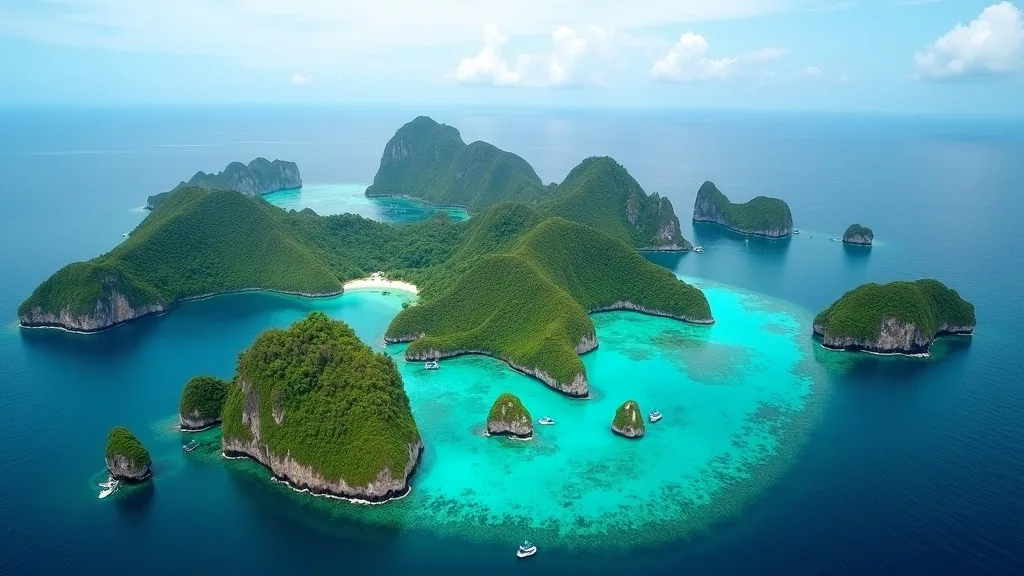
More than most people expect, and on some itineraries it is the reason to come. The Wayag viewpoint hike — short, steep, over sharp karst — gives the view that appears on every photograph of Raja Ampat. Piaynemo in the Fam group offers a comparable panorama with a boardwalk and steps rather than a scramble. Kabui Bay is a narrow mangrove-lined passage best run by tender at slack tide, and southern Misool has stingless jellyfish lakes.
Add village visits at Arborek and elsewhere, kayaks at most anchorages, birdwatching excursions where they are offered, and the plain pleasure of an anchorage that no day boat reaches. Details, difficulty ratings and village etiquette are in the topside guide to Wayag, Piaynemo and village visits.
How does the day work when half the boat dives?
The dive schedule sets the rhythm: an early dive around 06:30, a second mid-morning, a third mid-afternoon, and an optional night dive. Around that, tenders run snorkellers to the same or nearby sites, usually in the same window, so you are in the water at the same time rather than waiting on the boat. Excursions tend to occupy the long post-lunch surface interval, which is when everyone is topside anyway.
The final day of any itinerary is dive-free to respect the 18-hour no-fly interval, which means it is often the best snorkelling and excursion day of the trip — the divers are finally free. The daily structure is set out in full in how many dives a day you actually get.
What do non-divers pay?
Less, but not dramatically less. Removing tanks, weights and guided diving takes a real amount off the fare; the cabin, meals, crew, fuel, tenders and transfers cost exactly the same. Expect a modest reduction rather than half price, and ask for the number in writing rather than assuming. Both Raja Ampat government fees apply to snorkellers as well as divers.
Two separate government charges apply, and they are constantly confused with each other. The marine park conservation card costs IDR 700,000 for foreign passport holders and IDR 425,000 for Indonesians, is valid for twelve months from purchase, and rests on West Papua Governor’s Regulation No. 4 of 2019. The Raja Ampat Regency visitor entry ticket is a different charge collected by a different body: IDR 1,000,000 per international visitor and IDR 300,000 per Indonesian visitor, per visit, paid through the SIPARI platform, in force since 1 January 2026. Government fees can be revised, so confirm the current amounts before you travel.
Dedicated non-diving and snorkelling itineraries are set out on the snorkelling and non-diving options page, and mixed-ability family trips on the family liveaboard charter page.
Is freediving a middle path?
For a competent freediver, yes, and Raja Ampat’s shallow coral rewards it. The conditions are the usual ones: never alone, never on the same site as a descending scuba group, a surface marker, and honest self-assessment about current. Raise it with your operator at the enquiry stage so the answer is not being improvised on the dive deck. If some of your party may find ladders and tender transfers demanding, read is a Raja Ampat liveaboard right for older travellers alongside this.
Travelling with a mix of divers and non-divers? Message Komodo Luxury on WhatsApp at +62 811 3823 875 or email [email protected] with your travel window, certification level and party size. We reply with the vessels available on those dates, the cabin-by-cabin rate and a plain list of what is not in the price.
Frequently asked questions
Can a non-diver enjoy a Raja Ampat liveaboard?
Genuinely, yes – more so than in most dive destinations. A great deal of Raja Ampat’s best coral sits in three to eight metres, which means snorkellers see the same reefs the divers see rather than watching from a boat. Add the Wayag and Piaynemo viewpoints, village visits, kayaking and jellyfish lakes and the topside programme stands on its own.
Where can snorkellers see mantas in Raja Ampat?
Manta Sandy in the Dampier Strait is shallow enough that reef mantas at the cleaning station are regularly visible from the surface, and Arborek is another reliable option. Snorkellers stay well above the animals and clear of the descent path, exactly as divers stay behind the marked viewing line.
Do non-divers pay less on a liveaboard?
Usually yes. Most operators offer a reduced non-diver or snorkeller rate, because tanks, weights and guided dives are removed from the package. The discount is rarely large, since the cabin, meals, crew, fuel and transfers cost the same. Ask for the figure explicitly when you request a quote.
What is there to do on the boat while everyone else dives?
Snorkel the same sites from the surface, kayak, take a tender to a beach or a village, hike a viewpoint, read on the sun deck, or simply enjoy an anchorage most people never reach. Many boats also run the tender out with snorkellers while the divers are down, so you are not confined to the vessel.
Is freediving allowed on a Raja Ampat liveaboard?
Often, with conditions. Most operators will accommodate competent freedivers outside the scuba group, on sites without heavy current, with a buddy and a surface marker. What no responsible operator permits is unsupervised deep freediving on the same site as a scuba group. Raise it before booking rather than on the day.
This guide is published by the team behind this Raja Ampat eco liveaboard site — Komodo Luxury, part of Juara Holding Group, running dive and cruise operations in eastern Indonesia since 2015. Questions on a specific date or vessel: WhatsApp +62 811 3823 875, email [email protected].