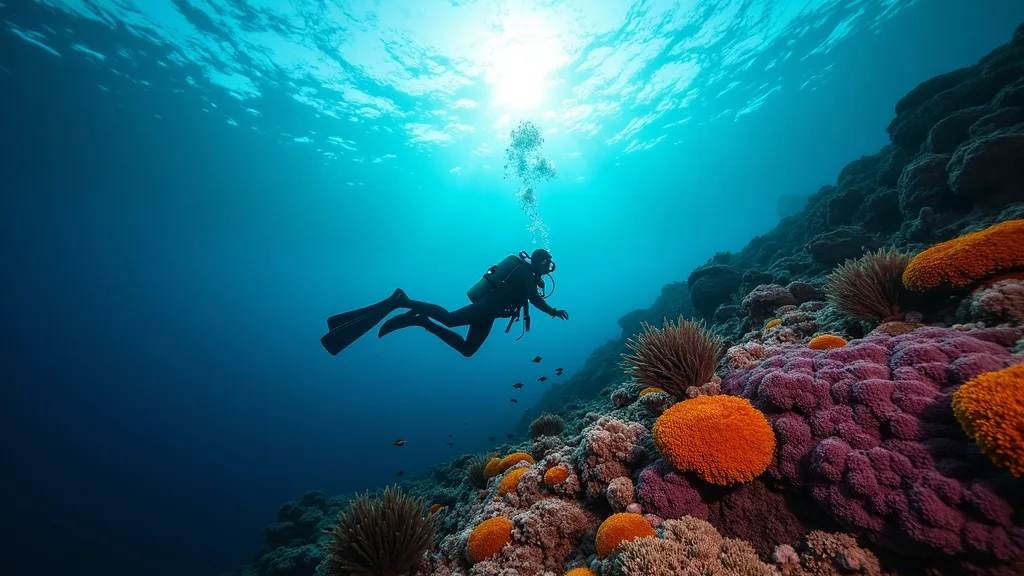
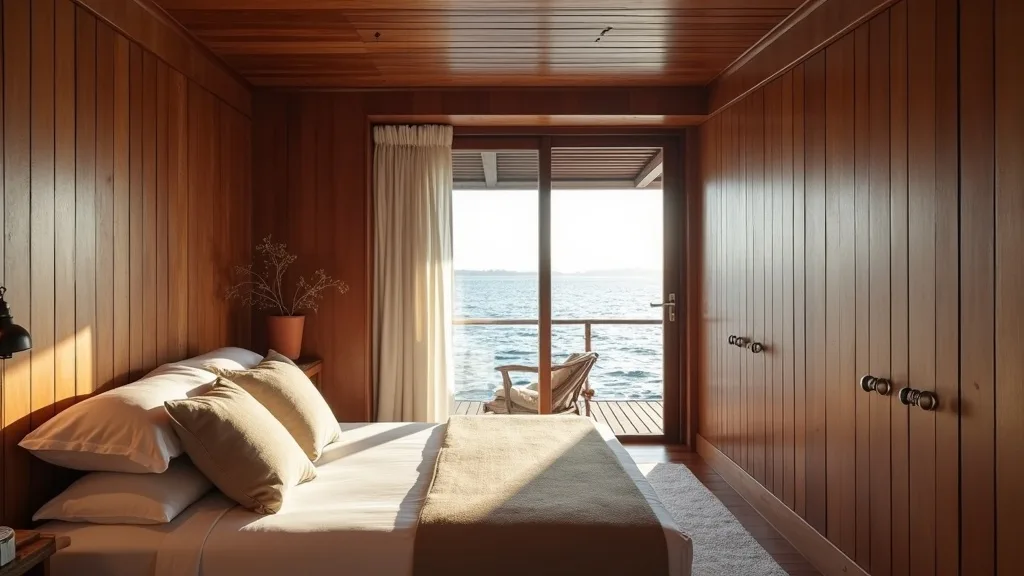
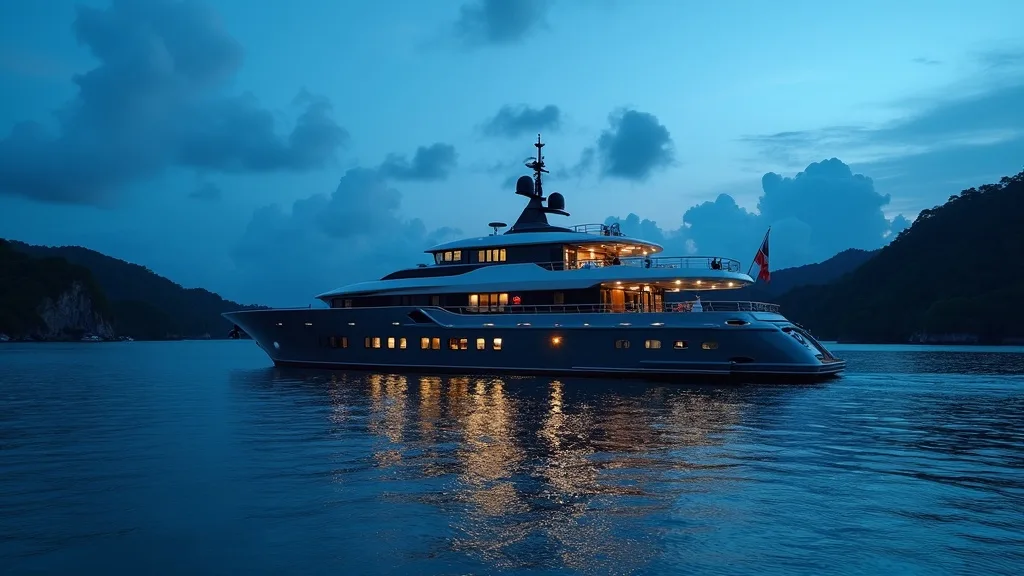
Nitrox is the single most useful qualification to hold in Raja Ampat, because you will be doing three or four dives a day for a week. Enriched Air and Advanced Open Water can both be completed on board; Open Water cannot be started here.
Want to add a course to your trip? Talk to Komodo Luxury on WhatsApp at +62 811 3823 875 or email [email protected] and we will send the boats, dates and exact rates that match your window.
Which courses can and cannot be done on a liveaboard?
The constraint is confined water. Entry-level training needs a pool or a flat, shallow, controlled site, and a boat working the Dampier Strait has neither. Everything from Advanced Open Water upward is a different matter, because those courses are built from the kind of dives the vessel is already doing.
| Course | Prerequisite | Dives required | Time needed | Indicative price | What it gives you |
|---|---|---|---|---|---|
| Enriched Air (Nitrox) | Open Water | 0–2 (theory plus practical) | 1 day, alongside normal diving | USD 150–280 | Longer no-stop times on repetitive dives |
| Advanced Open Water | Open Water | 5 adventure dives | 2–3 days within the cruise | USD 400–600 | 30 m depth, better current and navigation skills |
| Peak Performance Buoyancy | Open Water | 2 | Half a day | USD 150–250 | The skill that protects both you and the reef |
| Drift Diver / Underwater Navigator | Open Water | 2–3 | 1 day | USD 180–300 | Directly relevant to Dampier Strait diving |
| Rescue Diver | Advanced + EFR within 24 months | Scenarios plus 2 dives | 3–4 days | USD 500–750 | Self-rescue and buddy management in remote water |
| Open Water (entry level) | None | — | Not offered on board | — | Certify before you travel |
Course prices are indicative market bands for onboard instruction in Indonesia, exclusive of agency certification fees and nitrox fills. Instructor availability is vessel- and date-specific, so courses must be requested when you book rather than announced on embarkation day.
Why does nitrox matter so much here?
Raja Ampat diving is repetitive and shallow-to-mid depth: a 7-night Dampier Strait trip runs roughly 18–21 dives, and a longer northern route 24–30. Four dives a day on air, day after day, pushes most computers into short no-stop times by the third or fourth dive and leaves divers flat by mid-week. Enriched air at 32% buys back bottom time exactly where you want it, on the 15–25 metre reef slopes where the fish are.
Two honest caveats. Nitrox is not a decompression shortcut and it does not change your ascent discipline. And it is normally charged separately — see the inclusions and booking page — typically per fill or as a weekly package, so factor it into your budget rather than discovering it on the final bill.
How much experience does each route need?
| Route | Suggested logged dives | Conditions | Skills you should already own |
|---|---|---|---|
| Dampier Strait / central (6–7 nights) | 20–30 | Moderate drift, some strong channel sites | Comfortable buddy skills, basic SMB |
| Central plus Fam and Penemu (7–9 nights) | 25–40 | Mixed; a few high-flow sites | Negative entry, reef hook use |
| North to Kawe and Wayag (9–11 nights) | 30–50 | Exposed, drift standard | Confident in current, self-sufficient with SMB |
| Misool and grand expedition (12–14 nights) | 40–60 | Seamounts, current, blue-water entries | Good gas management, comfortable in open blue |
| Banda Sea crossing (11–14 nights) | 50+ | Most exposed itinerary offered | Conservative profiles, full remote-diving mindset |
These are guidance, not gatekeeping. A careful diver with 25 dives and good buoyancy handles the central route better than a rusty one with 200. If you are near the bottom of a band, the beginner-friendly package explains how we structure the first few days.
What happens on day one?
A check dive, always. Somewhere shallow and calm, no current, with the guide watching trim and weighting. Most divers are carrying two kilos more than they need after a year off, and that alone decides how the rest of the week goes. Expect to practise an SMB deployment, agree hand signals, and be briefed on the reef hook: hook into dead rock or rubble, never live coral, and unhook before you drift off rather than yanking free.
Guides then split the group by comfort rather than by certification card. Being placed in the slower group is not a demotion; it usually means longer dives.
What equipment should you bring?
Bring your own mask, dive computer and a surface marker buoy with a spool you have actually used. Those three are the items that ruin a week when they are wrong. A 3 mm wetsuit covers most people in water of roughly 27–30 °C, but anyone diving four times a day for a week should consider 5 mm or a hooded vest, because cold accumulates. Rental BCDs, regulators and computers exist on most vessels in limited sizes and must be reserved in advance; check whether the boat fills DIN or yoke and bring an adaptor if in doubt.
What is the safety chain in a place this remote?
Ask any operator, including us, to answer these plainly: is emergency oxygen carried and who is trained to administer it; what is the first-aid and evacuation protocol from the most remote point of the route; what communications does the vessel have when there is no mobile signal, which north of the Dampier Strait means most of the time; and what dive insurance is required. Recompression facilities are a long way from Raja Ampat, which is why conservative profiles, a safety stop on every dive and a full no-fly day at the end are treated as rules rather than preferences. More on our liveaboard questions answered page.
Which Raja Ampat fees are not included in the trip price?
Two separate government charges apply in Raja Ampat, and most websites merge them into one wrong number. They are collected by different bodies, cost different amounts and have different validity. Budget for both.
| Charge | Who collects it | Foreign visitor | Indonesian visitor | Validity |
|---|---|---|---|---|
| Marine park conservation card (the “PIN card”) | Raja Ampat Marine Park Authority, under West Papua Governor’s Regulation No. 4 of 2019 | IDR 700,000 | IDR 425,000 | 12 months from purchase; children under 12 exempt |
| Visitor entry ticket | Raja Ampat Regency, paid through the SIPARI platform | IDR 1,000,000 | IDR 300,000 | Per visit, in force since 1 January 2026 |
Neither charge is normally inside a liveaboard fare. Your crew will usually arrange the conservation card on your behalf at the start of the trip and add it to your onboard bill. Fees are set by government and can be revised — confirm the current amounts with us before you travel.
What is included in the fare, and what is not?
| Normally included | Normally extra |
|---|---|
| Cabin accommodation for the full charter | Marine park conservation card (IDR 700,000 foreign) |
| All meals, snacks, soft drinks, tea and coffee | Regency visitor entry ticket (IDR 1,000,000 foreign) |
| Guided dives as per the itinerary, tanks and weights | Nitrox fills and dive courses |
| Dive guides, cruise director and full crew | Equipment rental if you do not bring your own |
| Tenders, kayaks and snorkelling gear | Alcohol and premium drinks |
| Group transfers on embarkation and disembarkation day | Flights, pre- and post-trip hotels, dive insurance, crew tips |
Inclusions vary slightly between vessels. We send you the exact line-by-line list for the boat you are considering before you pay anything.
What makes a Raja Ampat liveaboard genuinely low-impact?
“Eco” on a boat is a set of habits, not a wooden hull. A traditional phinisi is built by hand from dense tropical hardwood at Tana Beru and Bira in South Sulawesi — a craft inscribed on the UNESCO Intangible Cultural Heritage list in 2017 — and its genuine advantage is a long hull life that can be repaired locally. That is a real argument. It is not, on its own, a sustainability claim.
The practices that actually change a boat’s footprint are these: a reverse-osmosis watermaker instead of crates of bottled water, solar and battery capacity that cuts generator hours at anchor, no single-use plastic aboard, a reef-safe sunscreen briefing on day one, mooring buoys or sand-anchoring only — anchoring on coral is prohibited inside the marine protected area — sorted waste carried back to shore rather than burnt or dumped, holding tanks that are never discharged near a reef, and a Papuan and Indonesian crew paid properly. Ask any operator, including us, to answer those eight points specifically. Vague language is the tell.
Frequently asked questions
Can I learn to dive on a Raja Ampat liveaboard?
No. Open Water certification needs confined-water sessions and a controlled shallow site, and a liveaboard working current-swept reefs is the wrong place for either. Certify at home or at a resort first, get a handful of dives in, then come.
Which course is most useful in Raja Ampat?
Enriched Air (nitrox), without much argument. You will dive three or four times a day for a week; nitrox extends no-decompression limits on repetitive shallow profiles and most divers feel noticeably fresher by day five.
Can I do Advanced Open Water on board?
Yes. Advanced Open Water fits naturally into a liveaboard week because the adventure dives – deep, navigation, drift, night, peak performance buoyancy – are dives the boat is doing anyway. It is the single best upgrade for a diver with 15-25 logged dives.
How many logged dives do I need for Raja Ampat?
Around 20-30 for a central Dampier Strait trip, and roughly 30-50 before the exposed northern route or Misool. It is less about the number than about whether you are comfortable with a negative entry, a drift pickup and deploying an SMB.
What is a check dive and can I skip it?
It is an easy, shallow dive on day one to set your weighting and confirm your buoyancy and gear. You cannot skip it and you should not want to. It is also where guides decide which group you go into, which affects the rest of your week.
Do I need a reef hook?
On the current sites, yes. A reef hook lets you hold position on dead rock instead of finning against flow or grabbing coral. Boats usually carry them, but bring your own if you have one, along with an SMB and a spool you can actually deploy.
Is dive insurance compulsory?
We require current dive accident cover for every guest. Raja Ampat is remote: from the far north you are many hours from a port, and the nearest recompression facilities are a long evacuation away. Check that your policy covers liveaboard diving and the depths you plan to do.
Can I rent equipment on board?
Most vessels carry rental BCDs, regulators, wetsuits and computers, but sizes and quantities are limited and must be reserved in advance. Bring your own mask, computer and SMB at minimum – those three are the hardest to substitute.
How do you book this trip?
Instructor slots are limited on every departure, so courses need to be requested at the time of booking. Send us your travel window, your certification level and how many people are in your party on WhatsApp +62 811 3823 875 or by email at [email protected]. We reply with the vessels available for those dates, the cabin-by-cabin rate, the deposit terms and a plain list of what is not in the price. There is no obligation and no deposit until you have seen the boat and the itinerary in writing.
This site is operated by Komodo Luxury, part of Juara Holding Group, running dive and cruise trips in eastern Indonesia since 2015.