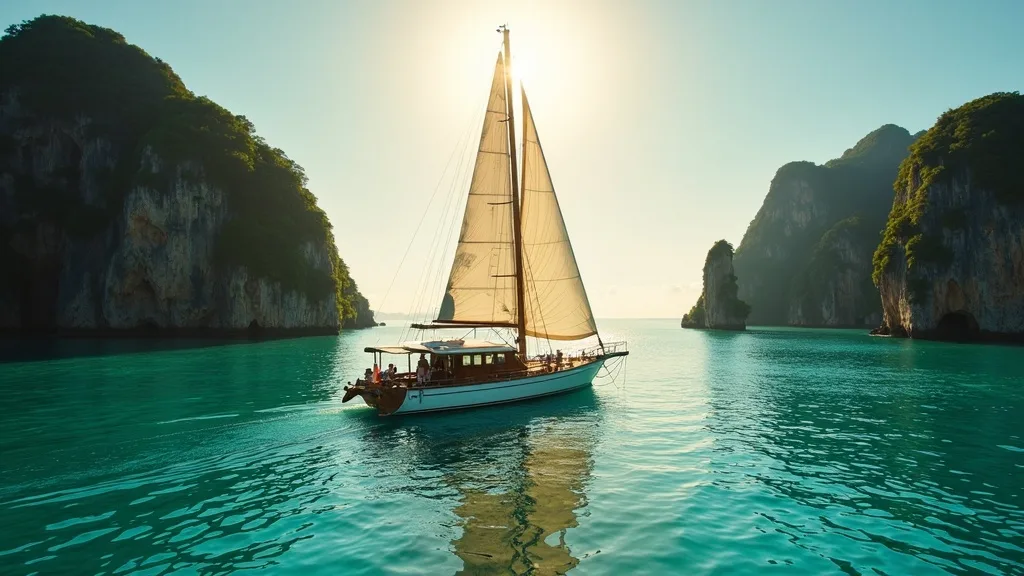
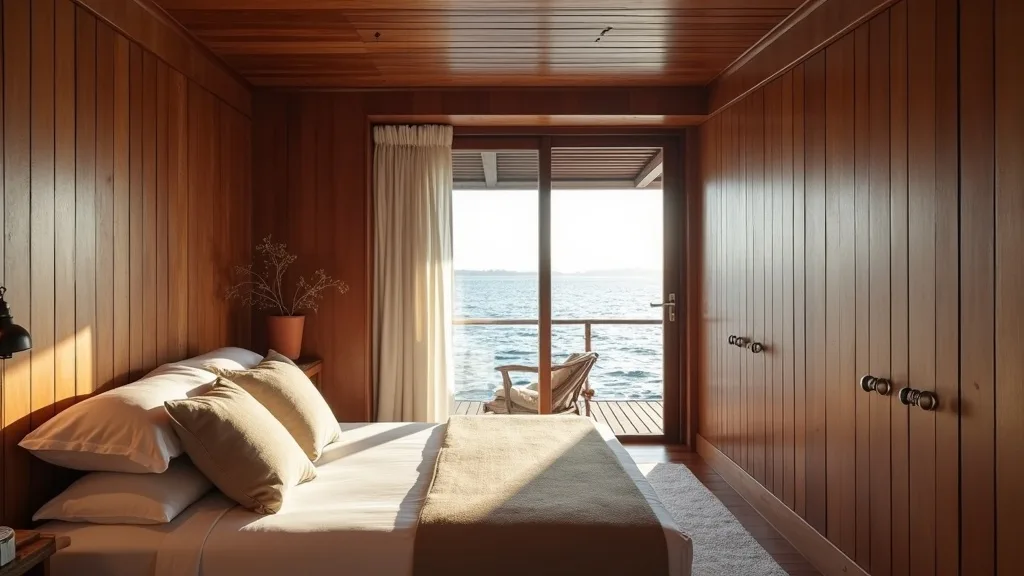
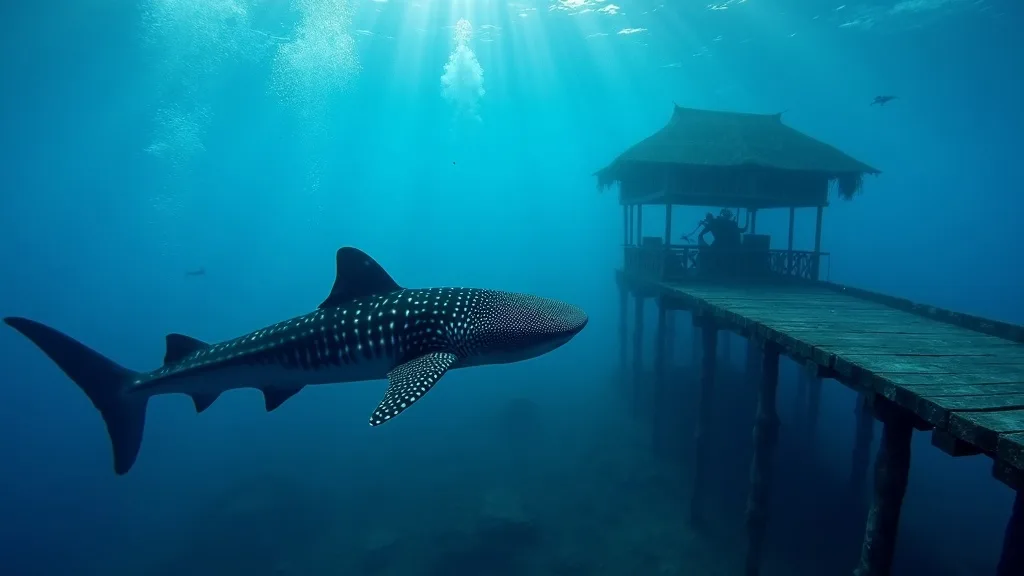
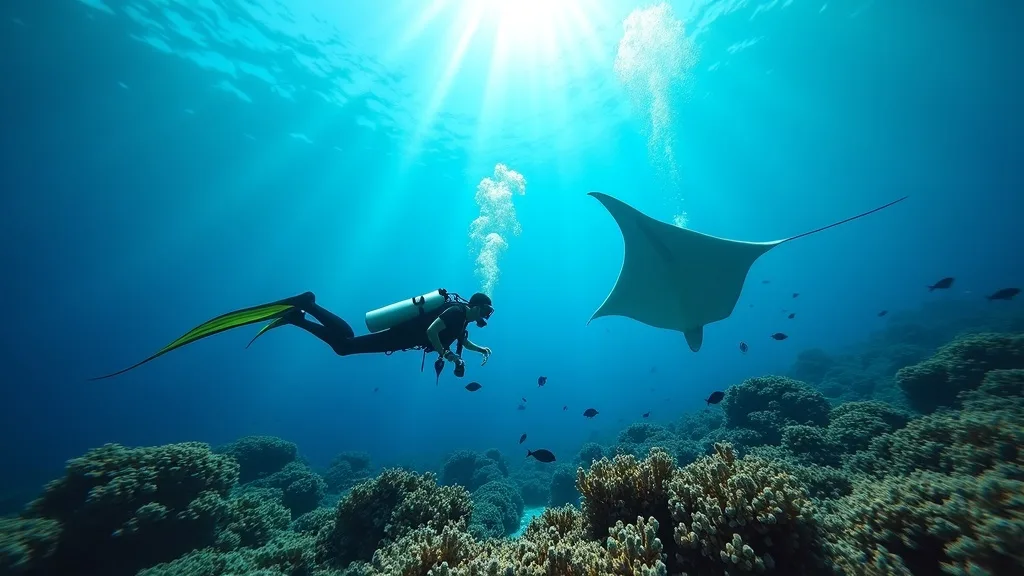
You can dive Raja Ampat as a newer diver if you choose the route honestly: a 6–7 night Dampier Strait trip with sheltered sites, a check dive on day one and a guide ratio of four or fewer. Around 20–30 logged dives is the realistic starting point. The far north and Misool are not beginner ground.
First time in Raja Ampat? Talk to Komodo Luxury on WhatsApp at +62 811 3823 875 or email [email protected] and we will send the boats, dates and exact rates that match your window.
What makes a trip beginner-appropriate here?
Four things, and none of them are about the boat’s luxury level. A central route, so crossings are short and sheltered. A check dive on day one to fix weighting before it ruins three dives. A guide ratio of 1:4 or better, so somebody is actually watching you in a drift. And a cruise director who will substitute a site when the tide is wrong rather than pushing a group onto a ripping ridge because it is on the brochure.
Get those four right and Raja Ampat is a superb place to build experience. Get them wrong and it is intimidating in a way that puts people off diving.
Which sites suit a newer diver?
| Site | Depth | Typical current | Suitable from | Why it works or does not |
|---|---|---|---|---|
| Friwen Wall | 5–20 m | Mild | From ~15 dives | Easy wall, soft coral, huge fish variety |
| Arborek jetty | 3–15 m | Mild to moderate | From ~15 dives | Jetty pylons, sweetlips, excellent for snorkellers too |
| Mioskon | 5–25 m | Mild to moderate | From ~20 dives | Wobbegongs, sloping reef, sunset flying foxes above |
| Melissa’s Garden | 5–25 m | Mild to moderate | From ~20 dives | Dense hard coral garden, shallow and bright |
| Manta Sandy | 12–18 m | Mild | From ~20 dives | Kneel behind the marked line and wait; no finning about |
| Cape Kri | 5–35 m | Moderate to strong | From ~25–30 dives | Negative entry, hook in; the signature Raja Ampat dive |
| Sardine Reef | 10–30 m | Strong | From ~30 dives | Heavy flow, big schools; skip it if the tide is running hard |
| Blue Magic | 10–30 m | Moderate to strong | From ~30 dives | Offshore seamount, blue-water entry, mantas |
Note what this table does not do: it does not call every site “suitable for all levels”. That phrase is the single most common piece of dishonesty in liveaboard marketing, and it is how people end up out of breath at 25 metres on a site they should have sat out.
What does “current” actually mean in practice?
In plain language: the water moves, sometimes fast, and you go with it. Three techniques cover almost everything you will meet.
- Negative entry. No air in the BCD, roll back on the guide’s count, descend straight away. Stops the group being scattered on the surface.
- Hooking in. A short line with a hook goes onto dead rock or rubble — never live coral — you add a little air and hang like a kite, watching the fish come to you. This is how people take those photographs of divers suspended in a wall of fusiliers.
- Drift pickup. You surface away from where you started, send an SMB up before you get there, and the tender comes to you. Practise the SMB before you leave home.
None of this requires strength. It requires being briefed properly and not fighting the ocean. The full technique guide is on our diving with an eco liveaboard page.
What does the first week look like?
Day one: board in the early afternoon, safety briefing, gear set-up, check dive before sunset. Days two to six: three dives a day plus an optional night dive, starting on the milder sites and moving to the channel dives once the guides have seen you in the water. Day seven: one or two shallow morning dives, then the no-fly period begins. Day eight: ashore in Sorong by mid-morning.
Somewhere in the middle of that, most first-timers realise they have stopped thinking about their gear. That is the trip working.
What does a first trip cost?
| Cabin standard | Per person, per night | 6 nights | 7 nights |
|---|---|---|---|
| Value / simpler vessel | USD 250–350 | USD 1,500–2,100 | USD 1,750–2,450 |
| Mid-range ensuite twin | USD 350–500 | USD 2,100–3,000 | USD 2,450–3,500 |
| Premium double / deluxe | USD 500–650 | USD 3,000–3,900 | USD 3,500–4,550 |
Rates are indicative market bands for the 2026–2027 season, quoted per person in USD on a shared twin basis unless stated. They move with vessel, cabin, season and group size, and they change — ask us for the live rate on your dates before you plan a budget around them.
Add roughly USD 150–280 for a nitrox course, equipment rental if you are not bringing your own, dive insurance, two domestic flights, a buffer hotel night in Sorong, and both Raja Ampat fees below. Budgeting the whole landed cost rather than the cruise fare alone is the single most useful thing a first-timer can do — our inclusions and booking page works through a full example.
Not sure whether you have enough dives yet? Ask us honestly. Talk to Komodo Luxury on WhatsApp at +62 811 3823 875 or email [email protected] and we will send the boats, dates and exact rates that match your window.
Which Raja Ampat fees are not included in the trip price?
Two separate government charges apply in Raja Ampat, and most websites merge them into one wrong number. They are collected by different bodies, cost different amounts and have different validity. Budget for both.
| Charge | Who collects it | Foreign visitor | Indonesian visitor | Validity |
|---|---|---|---|---|
| Marine park conservation card (the “PIN card”) | Raja Ampat Marine Park Authority, under West Papua Governor’s Regulation No. 4 of 2019 | IDR 700,000 | IDR 425,000 | 12 months from purchase; children under 12 exempt |
| Visitor entry ticket | Raja Ampat Regency, paid through the SIPARI platform | IDR 1,000,000 | IDR 300,000 | Per visit, in force since 1 January 2026 |
Neither charge is normally inside a liveaboard fare. Your crew will usually arrange the conservation card on your behalf at the start of the trip and add it to your onboard bill. Fees are set by government and can be revised — confirm the current amounts with us before you travel.
What is included in the fare, and what is not?
| Normally included | Normally extra |
|---|---|
| Cabin accommodation for the full charter | Marine park conservation card (IDR 700,000 foreign) |
| All meals, snacks, soft drinks, tea and coffee | Regency visitor entry ticket (IDR 1,000,000 foreign) |
| Guided dives as per the itinerary, tanks and weights | Nitrox fills and dive courses |
| Dive guides, cruise director and full crew | Equipment rental if you do not bring your own |
| Tenders, kayaks and snorkelling gear | Alcohol and premium drinks |
| Group transfers on embarkation and disembarkation day | Flights, pre- and post-trip hotels, dive insurance, crew tips |
Inclusions vary slightly between vessels. We send you the exact line-by-line list for the boat you are considering before you pay anything.
What makes a Raja Ampat liveaboard genuinely low-impact?
“Eco” on a boat is a set of habits, not a wooden hull. A traditional phinisi is built by hand from dense tropical hardwood at Tana Beru and Bira in South Sulawesi — a craft inscribed on the UNESCO Intangible Cultural Heritage list in 2017 — and its genuine advantage is a long hull life that can be repaired locally. That is a real argument. It is not, on its own, a sustainability claim.
The practices that actually change a boat’s footprint are these: a reverse-osmosis watermaker instead of crates of bottled water, solar and battery capacity that cuts generator hours at anchor, no single-use plastic aboard, a reef-safe sunscreen briefing on day one, mooring buoys or sand-anchoring only — anchoring on coral is prohibited inside the marine protected area — sorted waste carried back to shore rather than burnt or dumped, holding tanks that are never discharged near a reef, and a Papuan and Indonesian crew paid properly. Ask any operator, including us, to answer those eight points specifically. Vague language is the tell.
What should you skip on your first trip?
Skip the camera. Skip deep blue-water entries on the strongest days. Skip the fourth dive if you are tired — there is no prize. And skip the temptation to book eleven nights in the north for your first visit; the Wayag route will still be there next season and you will enjoy it far more with a week of Raja Ampat diving behind you. If you are travelling with someone who does not dive, the snorkelling and non-diving options are unusually good here.
Frequently asked questions
Can beginners dive in Raja Ampat?
Yes, on the right route with the right briefing. A 6-7 night central Dampier Strait trip with sheltered sites, a day-one check dive and a guide ratio of four or fewer works well from around 20-30 logged dives. The far north and Misool are not beginner ground.
How many logged dives should I have?
Twenty is a workable floor for the central route and thirty is more comfortable. What matters more than the number is recency: if your last dive was three years ago, do a refresher at home before you fly.
Are the currents in Raja Ampat dangerous?
They are strong, not dangerous, provided you dive them as designed – drifting with the flow rather than fighting it. The technique is straightforward: negative entry to get down fast, stay with the guide, hook in on dead rock at the ridge, then release and drift to the pickup.
What is a negative entry?
Rolling backwards off the tender with no air in your BCD so you descend immediately, instead of floating on the surface and being carried off the site. Your guide briefs it and counts you in. It feels abrupt the first time and normal by the third.
What if I do not like a site?
Say so. Every good cruise director keeps easier alternatives in the plan, and there is no obligation to do every dive. Divers who sit out one dive and come back fresh usually enjoy the week far more than those who force all 21.
Should I do nitrox on my first trip?
Yes if you can. Three or four dives a day for a week is a lot of repetitive loading, and enriched air makes the second half of the week noticeably easier. The course fits into the first day or two on board.
Will I be diving with much more experienced people?
Probably, and it does not matter. Guides split guests into groups by comfort and air consumption, not by ego. You will end up with people who dive at your pace, which is the whole point of a small guide ratio.
What should I not attempt on a first Raja Ampat trip?
Deep blue-water entries on offshore seamounts in strong flow, night dives before you are settled, and taking a camera. Get your buoyancy and your current skills solid on this trip; bring the camera on the next one.
How do you book this trip?
Tell us your certification level and logged-dive count and we will be straight with you about which route fits. Send us your travel window, your certification level and how many people are in your party on WhatsApp +62 811 3823 875 or by email at [email protected]. We reply with the vessels available for those dates, the cabin-by-cabin rate, the deposit terms and a plain list of what is not in the price. There is no obligation and no deposit until you have seen the boat and the itinerary in writing.
This site is operated by Komodo Luxury, part of Juara Holding Group, running dive and cruise trips in eastern Indonesia since 2015.