Raja Ampat water sits at roughly 27–30 °C year-round and visibility typically runs 10–30 metres. Most divers are comfortable in a 3 mm full suit. Anyone doing four dives a day, or diving deeper profiles where thermoclines show up, is usually happier in 5 mm or a 3 mm plus hooded vest.
What are the real temperature and visibility numbers?
We are going to be careful here, because this is a topic where confident fake precision is everywhere. You will find sites publishing month-by-month visibility averages for Raja Ampat to the nearest metre. We have not been able to find a verified dataset behind any of them. What operator consensus does support is a band:
| Condition | Typical range | Notes |
|---|---|---|
| Sea temperature | 27–30 °C | Stable through the Oct–Apr season; slight variation by site and depth |
| Visibility | 10–30 m | Better in drier months; plankton blooms reduce it, and are the reason the reefs are rich |
| Typical dive depth | 12–25 m | Most Raja Ampat sites are shallow to mid-range, not deep |
| Air temperature | Warm and humid year-round | Wind chill on a wet deck between dives is the real cooling factor |
| Thermoclines | Occasional on deeper profiles | Noticeable rather than severe; a few degrees, not a wall |
Why does visibility vary so much?
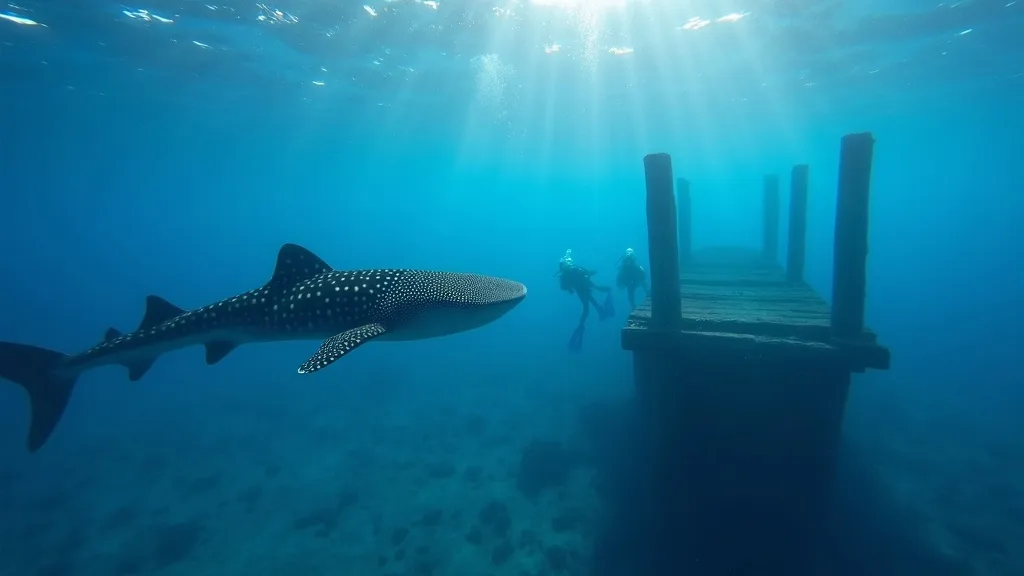
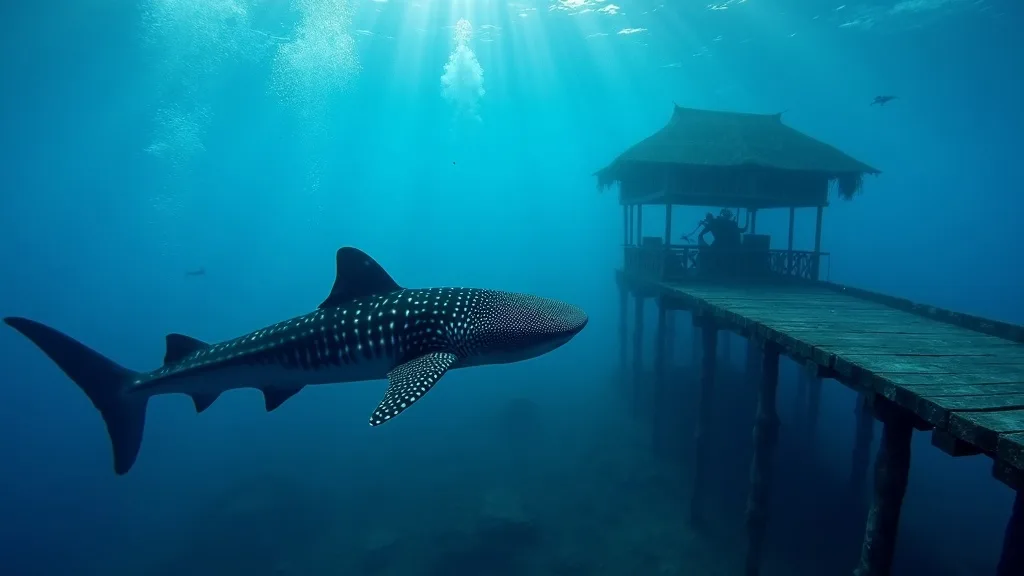
Because Raja Ampat is productive. Plankton clouds the water, and plankton is what feeds the filter feeders that feed everything else. The same tidal exchange that delivers nutrients is what makes a single dive at Cape Kri capable of yielding a record 374 fish species, counted by Dr Gerald Allen. On a manta dive at a cleaning station, low visibility is often a good omen: the animals came for the food that is blocking your view.
The honest framing is a trade-off, not a defect. If your priority is 40-metre blue water for wide-angle photography, Raja Ampat will occasionally frustrate you. If your priority is biomass and coral cover, the murk is part of the deal. Photographers usually adapt by getting closer and shooting wider — the approach we set out on the underwater photography liveaboard page is built around exactly that.
What exposure protection should you actually pack?
| Your profile | Recommended suit | Add-ons worth carrying |
|---|---|---|
| 2–3 dives a day, runs warm | 3 mm full suit | Rash guard for surface intervals |
| 3–4 dives a day, average | 3 mm full suit | Hooded vest for dives three and four |
| 4 dives a day including night dives | 5 mm full suit or 3 mm + hooded vest | Beanie, dry layer for the deck |
| Runs cold / slim build / older diver | 5 mm full suit | Hooded vest, warm dry layer, hot drinks between dives |
| Snorkeller | 1–3 mm shorty or long rash guard | Long sleeves for sun rather than warmth |
| Photographer holding still for long periods | 5 mm or 3 mm + vest | Gloves only if the operator permits them |
The pattern people miss: cold on a Raja Ampat trip is cumulative, not instantaneous. Dive one at 29 °C in a 3 mm feels tropical. Dive four, after three previous immersions and an hour of wind on a wet deck, does not. If you are on a nine or eleven-night itinerary you are stacking that effect for over a week.
What should you bring, and what should you rent?
Bring: your own exposure suit if you have one that fits, mask, computer, and an SMB with reel. Fit and familiarity matter more than specification for all four. Rent: BCD, regulators and fins — the bulky, heavy items that eat your baggage allowance on a Jakarta–Sorong domestic leg with a modest limit.
One caution about rental exposure suits: liveaboards typically stock 3 mm suits in limited sizes, and by the third charter of a season they are well used and less warm than the label suggests. If you are tall, very slim, or need a large size, confirm availability in writing rather than assuming. Our full kit list is in the packing guide for an eco liveaboard.
Where do thermoclines show up?
Mostly on deeper profiles and in channels where cooler water is pushed up by tidal flow. They are a few degrees rather than a wall, and they are usually brief. The practical consequence is minor: your extremities feel it first, and a hooded vest largely removes the issue. Because most Raja Ampat diving sits in the 12–25 m band, enriched air — available with certification through our onboard dive courses and nitrox programme — is often a better investment than thicker neoprene for extending your comfortable bottom time. The case is made in is nitrox worth it in Raja Ampat.
What about the sun above the water?
Topside is where most people actually get hurt. You are on the equator, on a wooden deck, with water reflecting light back at you for eight hours a day. A long-sleeved rash guard and a hat do more than any sunscreen, and they put nothing in the water. Where you do need sunscreen, a non-nano zinc formulation is the sensible choice — though as we argue in what actually harms coral, sunscreen is a small lever next to fin contact and anchoring.
Conditions vary by route as well as by month. The northern islands are more exposed outside the October to April window, and south Misool feels the southeast trades most strongly around July to September — which is a large part of why Raja Ampat liveaboard season runs when it does, and why many vessels reposition to Komodo or the Banda Sea mid-year. That seasonal logic is unpacked in Raja Ampat or Komodo in 2027.
Want a straight answer on what to pack for your specific dates and route? Message Komodo Luxury on WhatsApp at +62 811 3823 875 or email [email protected] with your travel window, certification level and party size. We reply with the vessels available on those dates, the cabin-by-cabin rate and a plain list of what is not in the price.
Frequently asked questions
Is a 3 mm wetsuit enough for Raja Ampat?
For most divers, yes. Water sits at roughly 27-30 C year-round, and a 3 mm full suit is the default choice. The people who regret it are those doing four dives a day for a week, divers who run cold generally, and anyone who hits a thermocline on a deeper site. If you are in any of those groups, a 5 mm or a 3 mm plus hooded vest is the safer call.
What is the visibility like in Raja Ampat?
Typically 10 to 30 metres, better in the drier months and poorer when plankton blooms. That plankton is not a defect – it is the base of the food chain that produces the fish density Raja Ampat is known for. A week here will include both 30-metre blue-water days and 12-metre soup days, sometimes on the same day at different sites.
Does the water temperature change through the season?
Only slightly. The 27-30 C band holds through the October to April liveaboard season. What varies more noticeably is thermoclines on deeper profiles and how cold you feel by dive three or four, which is a function of repetitive immersion and wind chill on the deck rather than a real drop in sea temperature.
Should I bring my own wetsuit or rent one?
Bring your own if you own one that fits – a wetsuit that fits is warmer than a thicker one that does not, and it packs small. Rent the bulky items instead: BCD, regulators, fins. Rental exposure suits on liveaboards are usually 3 mm, well used and available in limited sizes, so confirm your size is stocked before you rely on it.
Do I need a hood or gloves?
A hooded vest is the single most efficient upgrade if you run cold, because most heat is lost through the head and chest. Gloves are a different question: several marine protected areas discourage or prohibit them, on the reasoning that divers who cannot feel the reef are less likely to touch it. Check your operator’s policy before packing them.
This guide is published by the team behind this Raja Ampat eco liveaboard site — Komodo Luxury, part of Juara Holding Group, running dive and cruise operations in eastern Indonesia since 2015. Questions on a specific date or vessel: WhatsApp +62 811 3823 875, email [email protected].