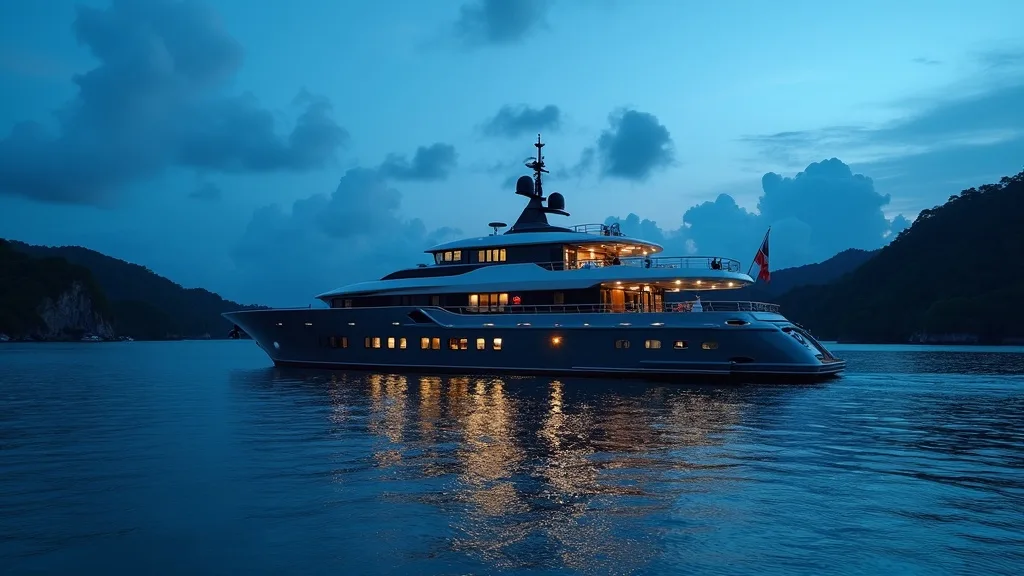
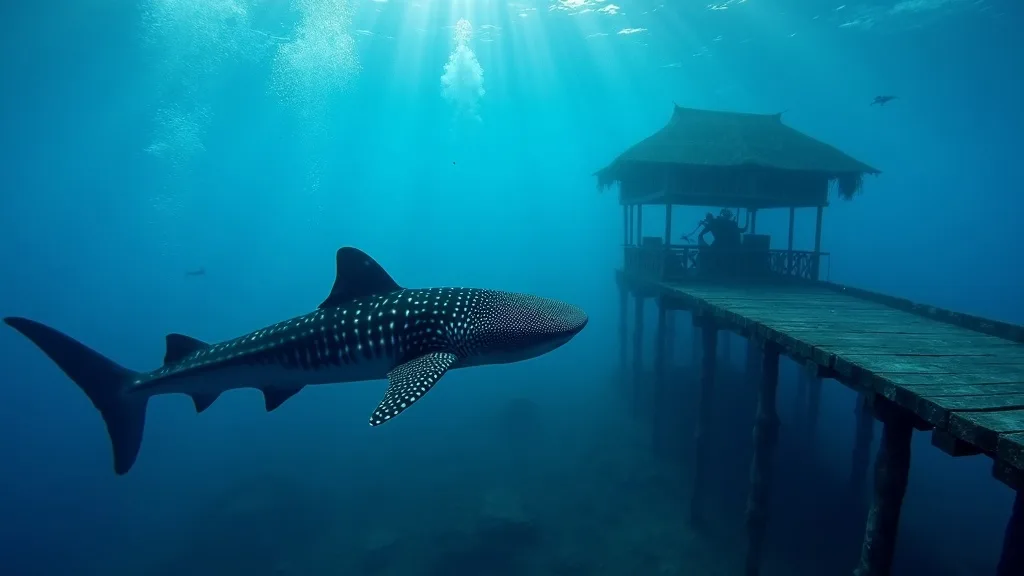
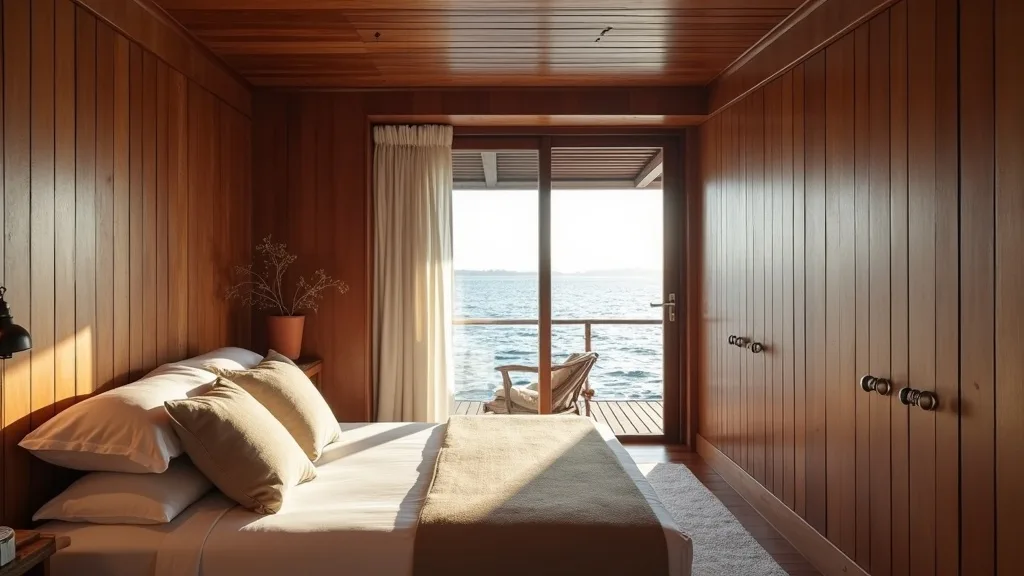
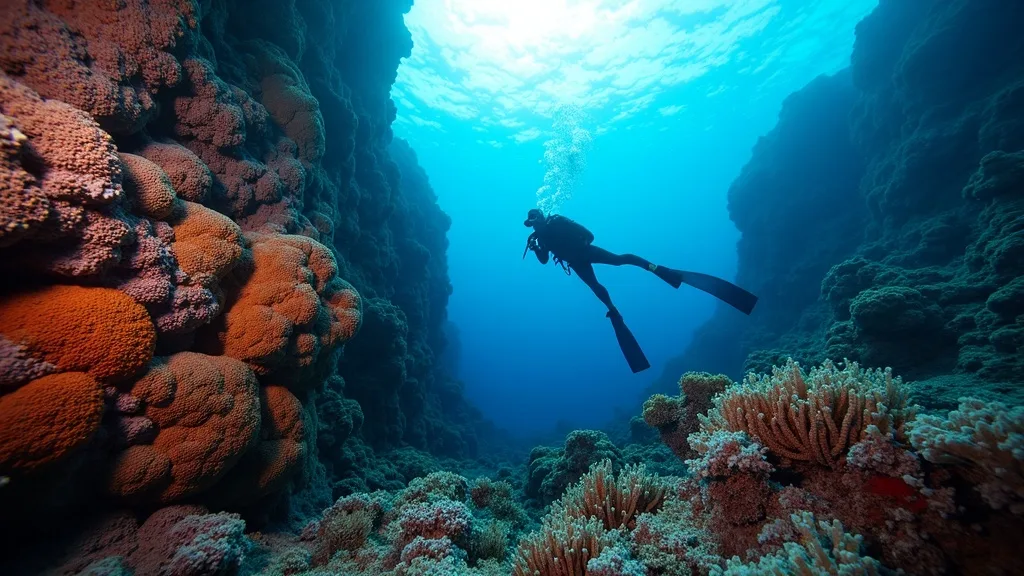
Often yes — but it depends on three things nobody publishes: the ladder, the stairs and the current. A central Dampier Strait route with tender pickups, a lower-deck cabin and a guide who will call a site off is very manageable in your sixties and seventies.
What are the real physical demands?
Not the diving. Most Raja Ampat sites sit between 12 and 25 metres, water is 27–30 °C, and a relaxed reef dive is no more strenuous than a swim. The demands are in the transitions.
| Task | Difficulty | What can be adapted | What cannot |
|---|---|---|---|
| Dive ladder with a cylinder | The hardest single element in swell | De-kit in the water; crew take gear at the ladder; broader ladders on better vessels | You must still climb it, several times a day |
| Tender transfers | Moderate; awkward in chop | Crew hand-over-hand support, seated entry, calmer pickup points | Small boats move |
| Companionway stairs | Moderate to hard; steep and narrow | A lower-deck or main-deck cabin reduces trips | Boats have no lifts |
| Cabin sills and doorways | Minor but constant | Cabin choice | Marine door sills are high |
| Current on exposed sites | Variable | Route choice and site selection; sit sites out | Some sites are simply demanding |
| Wayag viewpoint scramble | Hard — steep, sharp limestone | Choose Piaynemo instead, which has a boardwalk and steps | The Wayag climb is a scramble |
| Heat and humidity | Cumulative | Shade, hydration, air-conditioned cabin, fewer dives | It is the equator |
Which route should you choose?
A six or seven-night central itinerary around the Dampier Strait, in almost every case. It has the shortest hops between sites, no long open-water crossing, the calmest water and the widest spread of gentle dive sites — the day-by-day shape is on the central Dampier Strait route page.
Northern routes to Wayag and Kawe add exposed transits; grand north-to-south expeditions and Banda Sea crossings add substantially more. Seasonally, the northern islands are rougher outside the October to April window and southern Misool takes the southeast trades most strongly around July to September. Route roughness is compared in the seasickness guide.
Which cabin, and why does it matter twice?
Lower deck, midships. It is both the most stable position on the vessel and the one that minimises stair use, which are the two things that matter most here. The trade-off is that these are usually the smaller cabins with portholes rather than windows — the premium upper-deck suite is the one that rolls most and sits at the top of the stairs.
If comfort and stability both matter, and budget allows, a whole-boat charter lets you allocate cabins by need rather than by booking order, and lets the schedule be built around your pace: later starts, three dives instead of four, longer surface intervals. That flexibility is the real argument for the private liveaboard charter.
How do you handle heat, humidity and hydration?
Deliberately. Equatorial heat plus three or four immersions a day dehydrates people faster than they notice, and dehydration is both a decompression risk factor and the usual cause of the mid-trip flatness guests describe. Drink continuously rather than when thirsty, use the shaded deck through the middle of the day, and treat an air-conditioned cabin as recovery time rather than as missing out.
Skipping dives is the other underused tool. Three dives a day instead of four across a week is a materially different trip physically, and costs you very little — the realistic totals are in how many dives a day you actually get. Enriched air also reduces the repetitive loading, as set out in is nitrox worth it in Raja Ampat.
What does the crew need to know?
Everything relevant, in writing, at booking. Cardiac history, blood pressure and its medication, diabetes, joint replacements, recent surgery, mobility limits, and any medication that affects hydration, alertness or bleeding. Bring more of your prescriptions than the trip requires, in hand baggage, with a copy of the prescription.
Declaring almost never gets you excluded; it gets you accommodated. Concealing means a crew improvising many hours from a hospital, and it may void the insurance you are relying on — the remoteness argument is set out in full in dive insurance, oxygen and evacuation in Raja Ampat.
When is a liveaboard the wrong answer?
We would rather lose the booking than get this wrong. If climbing a ladder in swell with gear is genuinely beyond you, if steep stairs several times a day are not workable, or if a medical condition needs rapid access to care, then a land-based resort or a fully private charter with an adapted programme is the better trip. A resort trades reach for solid ground; a private charter keeps the reach and buys you control of the pace.
And if diving itself has become the difficult part rather than the boat, Raja Ampat is unusually generous to snorkellers, because so much of the best coral sits in three to eight metres — see joining a liveaboard as a non-diver or snorkeller and the snorkelling itineraries.
Tell us honestly what you can and cannot manage, and we will tell you which route fits. Message Komodo Luxury on WhatsApp at +62 811 3823 875 or email [email protected] with your travel window, certification level and party size. We reply with the vessels available on those dates, the cabin-by-cabin rate and a plain list of what is not in the price.
Frequently asked questions
Is Raja Ampat suitable for divers in their sixties and seventies?
Frequently, yes. The diving itself is mostly shallow, and plenty of guests dive Raja Ampat well into their seventies. What decides it is not age but three specific things: whether you can manage the dive ladder in swell, whether steep companionway stairs are workable for you, and whether the route you choose keeps you out of heavy current.
What are the hardest physical parts of a liveaboard?
The ladder back onto the boat or tender with a cylinder on your back in moving water, the steep and narrow stairs between decks, and getting in and out of a small tender in swell. None of them is extreme; all of them repeat several times a day for a week, which is what makes them cumulative.
Can a liveaboard accommodate mobility limitations?
Partly, and honesty about the limits matters. Crew will carry gear, kit you up in the water rather than on deck, help you in and out of tenders and adapt entry technique. What no vessel can change is that boats have stairs, high sills and no lifts. A private charter gives the most flexibility.
Which Raja Ampat route is the least physically demanding?
A six or seven-night central Dampier Strait itinerary. It has the shortest transits, the calmest water, no long overnight crossings and the widest choice of gentle dive sites. Northern and grand expedition routes involve more open water and more demanding sites.
Is a resort better than a liveaboard for older travellers?
Sometimes, and we would rather say so. A resort means solid ground, a fixed room, no crossings and no companionway stairs, at the cost of reaching far fewer sites. If ladders, swell and stairs are genuine obstacles rather than mild inconveniences, a resort or a fully private charter is the better answer.
This guide is published by the team behind this Raja Ampat eco liveaboard site — Komodo Luxury, part of Juara Holding Group, running dive and cruise operations in eastern Indonesia since 2015. Questions on a specific date or vessel: WhatsApp +62 811 3823 875, email [email protected].