Dive accident insurance is effectively mandatory on any serious Raja Ampat liveaboard, because you are many hours from a hospital and further still from a recompression chamber. Boats carry oxygen and first aid; the real safety margin is conservative profiles, honest declarations and a practised plan.
Why does remoteness change the calculation?
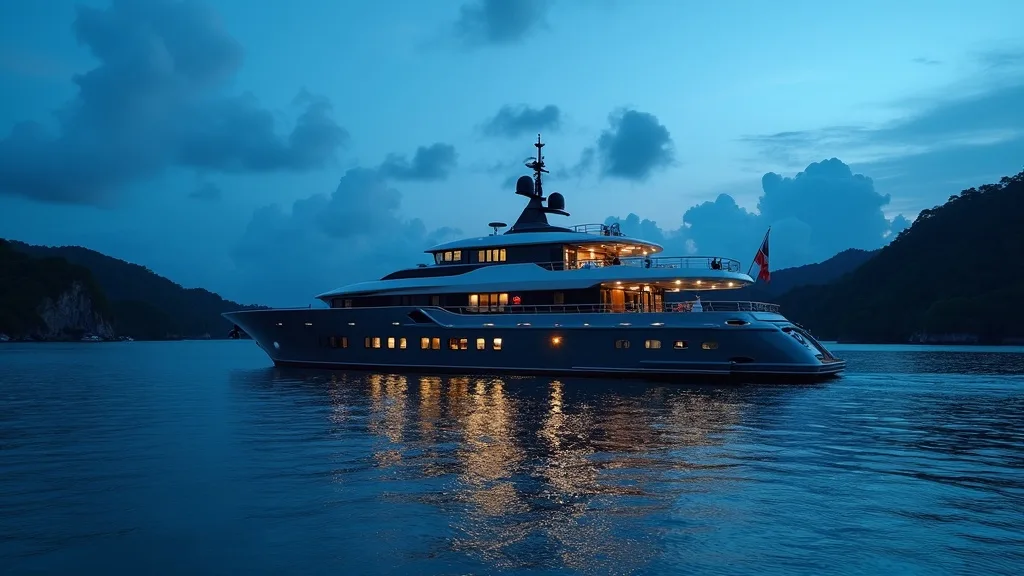
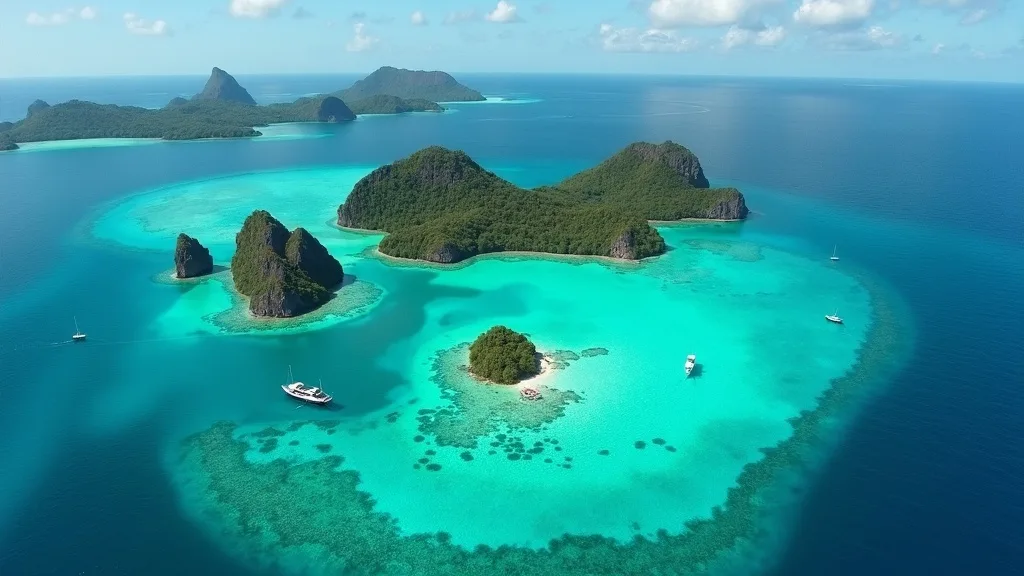
Raja Ampat is roughly 4.6 million hectares of archipelago with around 1,500 islands, cays and shoals, and a liveaboard itinerary is designed to get you away from other people. On a northern route around Wayag or a southern one around Misool, the vessel may be six to twelve hours’ steaming from Sorong, with no mobile signal — as covered in power, Wi-Fi and connectivity onboard.
That distance changes what a dive incident means. In a resort setting a chamber is sometimes an hour away. Here, the realistic sequence is stabilisation and oxygen aboard, a long run back toward Sorong, and then an evacuation flight to a facility elsewhere in Indonesia. Every link in that chain costs time and money, and the money is what insurance is for.
What cover do you actually need?
| Cover type | What it does | Why it matters here |
|---|---|---|
| Dive accident insurance | Chamber treatment and medical costs from a diving incident | The core requirement; most operators ask for proof |
| Emergency medical evacuation | Air ambulance or evacuation transport | The single largest potential cost from a remote location |
| Repatriation | Getting you home after treatment | Often separate; check it explicitly |
| Trip cancellation and interruption | Recovers the fare if you cannot travel or must leave | Liveaboard deposits are substantial and rarely refundable |
| Baggage and equipment | Lost or damaged gear | Useful on multi-leg domestic routings |
| Standard travel insurance | General medical and travel disruption | Frequently EXCLUDES scuba, or limits it by depth |
The trap is the last row. A great many ordinary travel policies either exclude scuba entirely, cover it only to eighteen or thirty metres, or cover the medical treatment but not the evacuation that gets you to it. Read the diving clause specifically, and if it is ambiguous, buy a dedicated dive policy alongside.
What should the boat itself carry?
- Emergency oxygen with a demand valve and enough supply for a long transit, not a token cylinder.
- A stocked first-aid kit and at least one crew member with current first-aid and oxygen-provider training.
- Satellite communications independent of mobile signal, because for most of the itinerary there is none.
- An EPIRB or equivalent distress beacon, plus life rafts and lifejackets for everyone aboard.
- Working navigation equipment including radar for night passages between island groups.
- A written emergency plan the crew has actually rehearsed, covering missing diver, decompression illness, fire and abandon ship.
These are fair questions to ask before booking, and a straight answer is itself a signal. They sit alongside the environmental questions in how to judge an eco liveaboard and the specification points in what makes a phinisi a real dive platform.
How should you dive here?
Conservatively, and the reasons are structural rather than nervous. You are doing three to four dives a day for six to fourteen days, in current, a long way from care. Practically that means: dive your own computer rather than the group’s, ascend slowly and hold your safety stop even when the tender is waiting, and use enriched air if you are certified — the case is set out in is nitrox worth it in Raja Ampat.
Hydrate constantly, because dehydration is a recognised contributor to decompression risk and it is easy to under-drink in equatorial heat. Skip dives when you are tired, cold or seasick rather than pushing through — see the seasickness guide. And respect the final dive-free day: the 18-hour no-fly interval after repetitive multi-day diving is why every itinerary ends the way it does, as explained in how many dives a day you actually get.
What happens if something goes wrong at sea?
The sequence a competent operation follows: recover the diver and assess; administer emergency oxygen at high flow and keep it running; contact a diving medical emergency service by satellite for guidance; begin steaming toward Sorong while treatment continues; arrange shore-side medical reception and, if required, evacuation onward. Insurance details and next-of-kin contacts are used at this point, which is why they are collected at booking.
For a lost diver at the surface, the chain is different but equally rehearsed: SMB deployment, live-boat search on the drift line, tender sweep and, if needed, a distress call. This is why every briefing on a current-swept site covers downcurrent and lost-buddy procedure — see the currents guide.
Why does honesty on the medical form matter?
Because a crew can plan around a declared condition and cannot plan around a hidden one. Asthma, cardiac history, diabetes, recent surgery, pregnancy and a long list of medications are all relevant, and disclosing them usually results in adjustments rather than exclusion. Concealment, by contrast, may void your insurance at the exact moment you need it.
Declare at booking, in writing, not on embarkation morning — the timeline is set out on the inclusions and booking page, and the courses that build the skills to dive here comfortably on the dive courses and nitrox page.
Want our safety equipment list and insurance requirements in writing? Message Komodo Luxury on WhatsApp at +62 811 3823 875 or email [email protected] with your travel window, certification level and party size. We reply with the vessels available on those dates, the cabin-by-cabin rate and a plain list of what is not in the price.
Frequently asked questions
Do I need dive insurance for Raja Ampat?
Yes, and most reputable operators require proof of it. You are diving in one of the most remote parts of Indonesia, hours from a hospital and much further from a recompression chamber. Ordinary travel insurance frequently excludes scuba diving, or covers it only to a shallow depth limit and without evacuation.
Where is the nearest decompression chamber to Raja Ampat?
There is no chamber inside Raja Ampat itself. Treatment means evacuation to a facility elsewhere in Indonesia, which is why the practical safety plan is oxygen and stabilisation onboard, a run to Sorong, and then an evacuation flight. Confirm the current arrangements with your operator – facility availability changes.
What safety equipment should a Raja Ampat liveaboard carry?
At minimum: emergency oxygen with enough supply for a long transit, a stocked first-aid kit, satellite communications independent of mobile signal, an EPIRB or equivalent distress beacon, life rafts and lifejackets for everyone aboard, working navigation lights and radar, and a written emergency plan the crew has practised.
What does dive accident insurance actually cover?
Typically chamber treatment, medical costs arising from a diving incident and emergency evacuation. What it usually does not cover is trip cancellation or lost equipment – those are separate policies. Read the small print for depth limits, technical diving exclusions and whether repatriation is included.
Should I declare a medical condition before a liveaboard?
Always, and in writing at booking rather than on the medical form on embarkation day. Asthma, cardiac history, diabetes, recent surgery and many medications all matter. Declaring lets the crew plan; concealing means a crew improvising in the worst possible circumstances, and it may void your insurance.
This guide is published by the team behind this Raja Ampat eco liveaboard site — Komodo Luxury, part of Juara Holding Group, running dive and cruise operations in eastern Indonesia since 2015. Questions on a specific date or vessel: WhatsApp +62 811 3823 875, email [email protected].