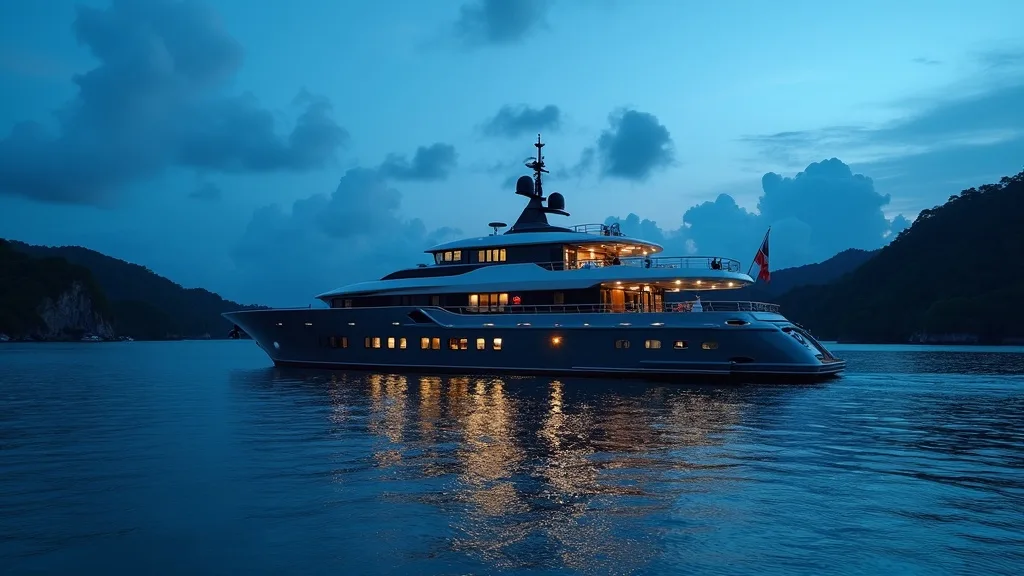
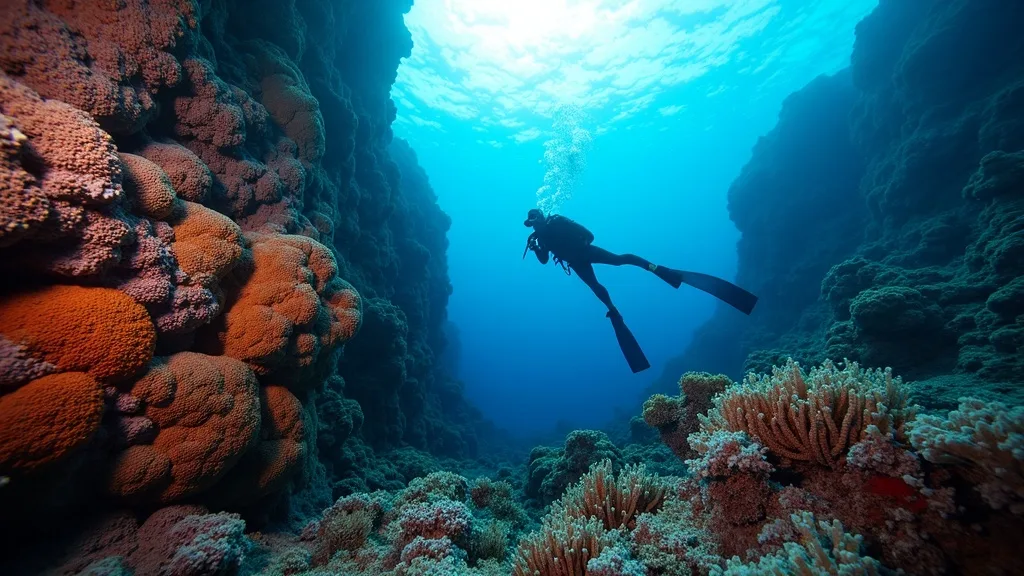
The Misool Marine Reserve is a roughly 1,200 km² no-take zone in southern Raja Ampat, co-managed with local communities by the Misool Foundation and patrolled by community rangers. It is the clearest example anywhere in the archipelago of what protection actually buys.
What is a no-take zone, and how is it different?
Most marine protected areas permit regulated use. Communities fish, tourism operates, and the management plan sets limits. A no-take zone removes extraction altogether: no fishing, no collecting, no harvesting, by anyone. It is a much harder thing to agree and a much harder thing to enforce, and it is also where the strongest documented recoveries in fish biomass occur.
The Misool reserve is a no-take area of roughly 300,000 acres — about 1,200 square kilometres — established through lease agreements with the customary owners of the reefs rather than imposed over them. That distinction is the whole reason it holds: the communities who hold customary (adat) rights over those waters are parties to the arrangement, not subjects of it.
How do the protected areas nest together?
| Layer | Approximate size | What it is |
|---|---|---|
| Misool Marine Reserve | ~1,200 km² (~300,000 acres) | No-take zone co-managed with communities by the Misool Foundation |
| Raja Ampat MPA network | ~1 million hectares (~10,000 km²) | Network of marine protected areas across the regency |
| Raja Ampat shark and ray sanctuary | ~4.6 million hectares | Declared 2013; shark fishing and fin trade prohibited |
| Indonesian manta sanctuary | ~6 million km² (the entire EEZ) | Declared February 2014; reef and oceanic manta protected nationwide |
| Bird’s Head Seascape | ~22.5 million hectares | The wider West Papua marine and coastal conservation initiative |
What sits inside those boundaries justifies the effort: more than 570 hard coral species, around three quarters of all known coral species on earth, and over 1,700 species of reef fish. A single dive at Cape Kri produced a record 374 fish species, counted by ichthyologist Dr Gerald Allen.
What do community ranger patrols actually do?
They are on the water, permanently, from a fixed base. The work is unglamorous and continuous: patrolling boundaries, intercepting and reporting illegal fishing, removing gear, maintaining markers and moorings, and gathering the monitoring data that shows whether any of it is working. The rangers are largely local, which matters twice over — they know the reefs, and enforcement carries local legitimacy rather than looking like an outside imposition.
Alongside patrols sits a research and education centre, and a set of community programmes covering schooling and local employment. The proposition put to a village is straightforward: a reef protected from extraction generates more, over a longer period, through tourism and spillover than the same reef fished out.
Where do the fees you pay actually go?
This is where precision matters, because the two things are often conflated.
Two separate government charges apply, and they are constantly confused with each other. The marine park conservation card costs IDR 700,000 for foreign passport holders and IDR 425,000 for Indonesians, is valid for twelve months from purchase, and rests on West Papua Governor’s Regulation No. 4 of 2019. The Raja Ampat Regency visitor entry ticket is a different charge collected by a different body: IDR 1,000,000 per international visitor and IDR 300,000 per Indonesian visitor, per visit, paid through the SIPARI platform, in force since 1 January 2026. Government fees can be revised, so confirm the current amounts before you travel.
The conservation card funds the Raja Ampat marine protected area network: patrol operations, mooring buoy installation and maintenance, marine park office staffing and community programmes across the regency. The regency visitor entry ticket is a tourism levy collected by the local government. Neither is the funding source for the Misool reserve specifically, which runs on lease payments to customary owners plus foundation fundraising. Three distinct funding streams, operating in the same waters. The full breakdown of both government charges is in the two Raja Ampat fees explained.
What has protection actually achieved?
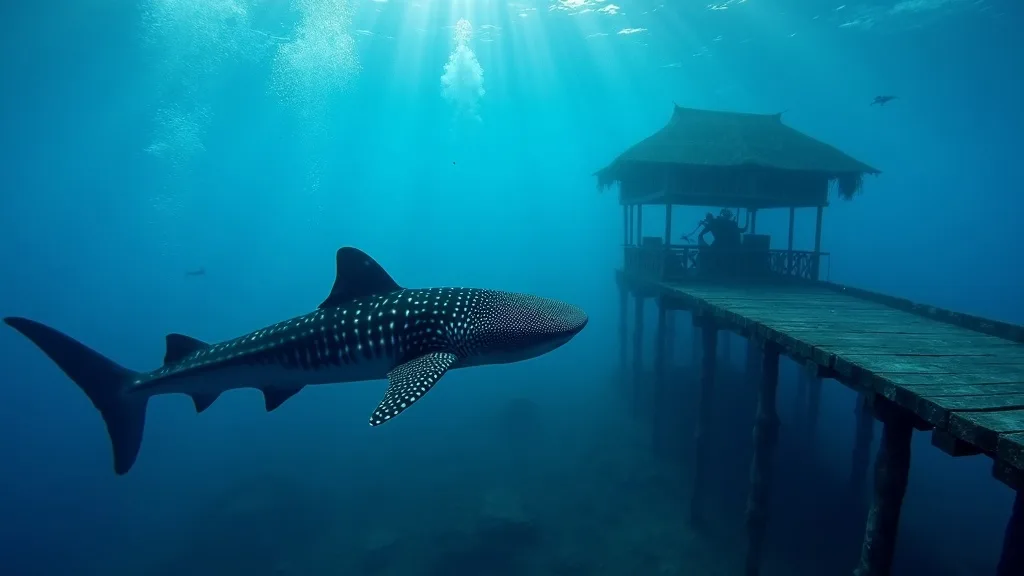
The documented trend across well-enforced no-take areas in Raja Ampat is recovery: higher fish biomass inside reserve boundaries than outside them, more large-bodied fish, and reduced illegal fishing pressure where patrols are consistent. Shark numbers in particular are noticeably better here than across most of Southeast Asia, which is what the 2013 sanctuary declaration was for — the species you meet as a result are described in Raja Ampat’s strange sharks.
We phrase that as a documented trend rather than a headline percentage on purpose. Reserve-effect figures vary by site, by survey method and by year, and conservation is not helped by tourism operators rounding them up.
What can a liveaboard guest genuinely influence?
- Pay both fees without argument. They are the funding mechanism.
- Choose a boat that moors rather than anchors on coral, carries its waste ashore and makes its own water. The nine questions to ask are in how to judge an eco liveaboard.
- Keep your fins, hands and knees off the reef. The largest personal lever you have, as argued in what actually harms coral.
- Spend locally at village stops, and never buy shell or coral souvenirs.
- Support the organisations directly if the reserve model convinces you. That is a bigger contribution than any onboard choice.
Itineraries that spend real time in the southern reserve area are covered on the grand north-to-south expedition page, and what sits inside and outside the fare on the inclusions and booking page.
Want an itinerary that spends real time in the southern reserve? Message Komodo Luxury on WhatsApp at +62 811 3823 875 or email [email protected] with your travel window, certification level and party size. We reply with the vessels available on those dates, the cabin-by-cabin rate and a plain list of what is not in the price.
Frequently asked questions
What is the Misool Marine Reserve?
A no-take marine reserve of roughly 300,000 acres – about 1,200 square kilometres – in southern Raja Ampat, co-managed with local communities by the Misool Foundation. No fishing of any kind is permitted inside it, and it is patrolled by community rangers operating from a permanent base.
What is the difference between a marine park and a no-take zone?
A marine protected area typically permits regulated use, including some fishing by local communities. A no-take zone prohibits extraction entirely. No-take areas are harder to establish and harder to police, and they are also where the clearest recoveries in fish biomass are recorded.
Does my Raja Ampat conservation fee fund the Misool reserve?
Not directly. The conservation card funds the wider Raja Ampat marine protected area network – patrols, mooring buoys, marine park administration. The Misool reserve is funded through a lease arrangement with local communities plus foundation fundraising. Both models are operating in the same archipelago at the same time.
How big is the protected area in Raja Ampat overall?
Raja Ampat’s marine protected area network covers roughly one million hectares, about 10,000 square kilometres. That sits inside the wider Bird’s Head Seascape of approximately 22.5 million hectares of West Papuan marine and coastal ecosystems, one of the largest such initiatives anywhere.
Can a liveaboard guest do anything that actually matters?
A little, honestly stated. Pay the fees without complaint, choose an operator that uses moorings and carries its waste ashore, keep your fins off the reef, buy from village enterprises rather than importing everything, and do not buy shell or coral souvenirs. Those are marginal contributions – the structural work is done by rangers, communities and regulation.
This guide is published by the team behind this Raja Ampat eco liveaboard site — Komodo Luxury, part of Juara Holding Group, running dive and cruise operations in eastern Indonesia since 2015. Questions on a specific date or vessel: WhatsApp +62 811 3823 875, email [email protected].